

 iOS Tips & Latest Updates
 Bug Fixes, Unlock Guides
 Giveaways & Freebies

Cleamio: All-in-One Mac Cleaner & Optimizer
Clean junk files, free up space, and boost Mac performance
No.1 Mac Cleaner & Optimizer
Clean, speed up, and optimize your Mac
Running out of storage on your Mac even after deleting files? You're likely seeing a big chunk of "purgeable space" that macOS holds onto until it really needs it.
This guide explains what purgeable space is, why it appears, and how to clear purgeable space on Mac, more than restarting Mac and emptying the Trash. Whether you prefer simple manual steps or a faster automated option, you'll reclaim valuable disk space in no time.

If you're looking for a fast solution, the table below summarizes the most effective ways to free up purgeable space on Mac. Some methods take only a few minutes, while others provide deeper storage cleanup.
 Please swipe to view
Purgeable space refers to files that macOS can safely remove whenever additional storage is needed. These files still exist on your Mac, but the system considers them non-essential because they can be recreated, re-downloaded, or restored later.
In other words, purgeable storage is technically available space that macOS reserves until your Mac actually needs more room. This is why you often see a difference between your Mac's "available storage" and the actual free space you can use right away.
Several types of files can be categorized as mac purgeable space, including:
These files are generally safe for macOS to remove automatically, but they can sometimes accumulate faster than the system clears them.
If you're trying to find purgeable files on Mac, you'll often discover that much of the storage comes from local snapshots and cached content rather than personal documents.
There are situations where manually clearing purgeable space becomes useful:
In these cases, learning how to get rid of purgeable storage on Mac can help restore usable storage and prevent performance issues.
Next, let's look at how to check exactly how much purgeable space is currently being used on your Mac before choosing the best cleanup method.
Finding your purgeable space is quick and helps you decide if action is needed. It only takes a minute.

The good news is that purgeable storage isn't permanent. In most cases, macOS removes it automatically when your Mac needs additional space.
However, if storage remains full or purgeable data keeps growing, the following methods can help free up purgeable space on Mac more quickly.
Restarting your Mac is often the easiest way to clear purgeable space. During startup, macOS automatically reclaims space from temporary files, caches, and other non-essential data it had marked as purgeable data. This method requires no technical knowledge and often frees up space instantly.
Local Time Machine snapshots are one of the biggest contributors to purgeable space on modern macOS. These automatic backups allow you to restore recent files but can consume significant disk space.
Deleting them safely reclaims GBs of storage while keeping your actual Time Machine backups intact.

After deleting old snapshots, check whether your available storage has increased.
If macOS isn't automatically releasing purgeable data, this Terminal method forces macOS to immediately purge non-essential files by temporarily filling your disk space.
It's a powerful technique that tricks the system into clearing purgeable data. Ideal when you need fast results and are comfortable with basic commands.
macOS has built-in Optimize Storage features that automatically manage purgeable files, especially iCloud photos, messages, and downloaded files.
Enabling or adjusting these settings helps the system keep only what you need locally and offload the rest, reducing purgeable space over time.

Cached files from apps, browsers, and the system often hide in purgeable space. Manually clearing large unnecessary caches can quickly free up storage. This method gives you more control and is especially effective if you use multiple apps or browse heavily.


Be careful not to remove files from applications you actively use unless you understand their purpose.

Even after deleting files, items in the Trash continue to occupy space and may contribute to purgeable calculations. Completely emptying the Trash ensures macOS recognizes the space as truly available and often triggers further purgeable cleanup.

Boot Camp Assistant can trick macOS into aggressively clearing purgeable space by simulating the need for Windows installation space. This is a clever workaround popular among users with Intel Macs. It's safe as long as you cancel before actually partitioning the drive.

Many users discover that even after restarting their Mac, deleting snapshots, or using Terminal commands, a large amount of macOS purgeable space still remains. The problem is that purgeable storage can come from several different sources, including caches, temporary files, logs, duplicate files, and leftover application data.
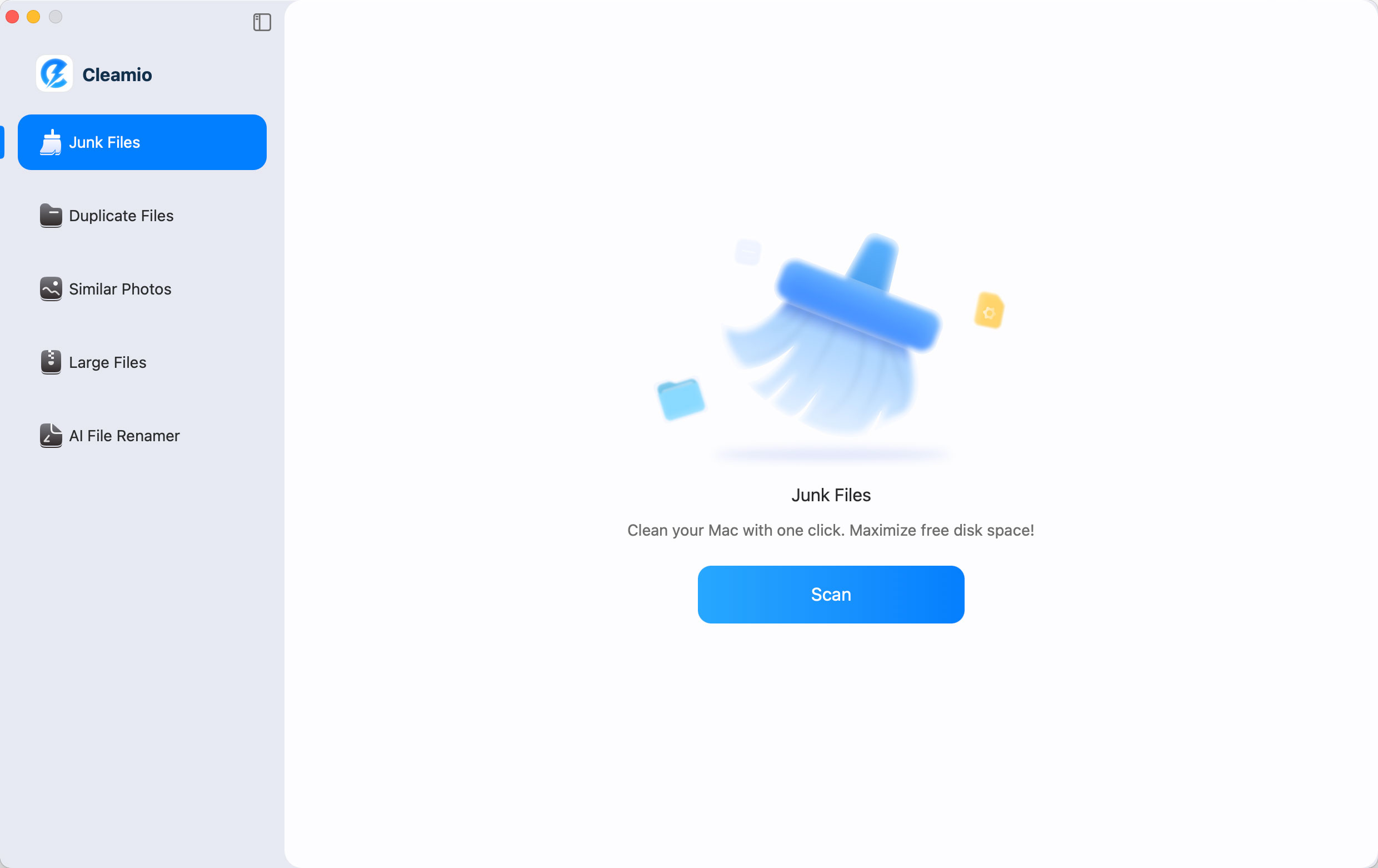
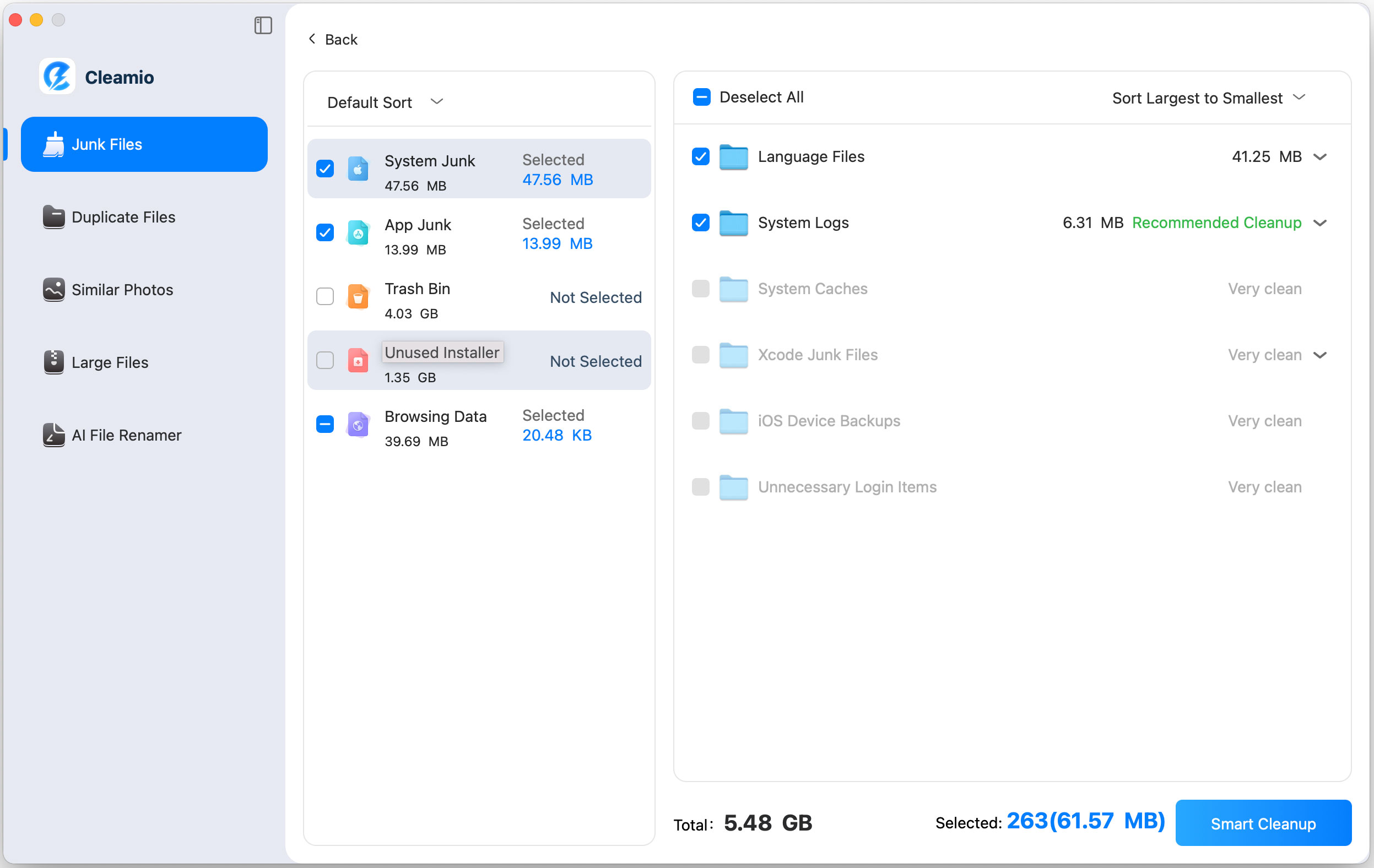
If manual steps feel time-consuming or you want to tackle junk, caches, and purgeable files at once, a dedicated cleaner makes life much easier. Tenorshare Cleamio is a user-friendly option that scans for system junk, app leftovers, and other clutter safely, helping reclaim space quickly.
Third-party Tool vs Manual Methods Comparison
Please swipe to view
For users who regularly run out of storage, an automated solution can be one of the most convenient ways to keep available space under control.
In most cases, yes. Purgeable files are designed to be removable. macOS treats this data as non-essential because it can usually be recreated, downloaded again, or restored when needed, such as: temporary system files, application cache files, local Time Machine snapshots, sownloaded cloud-based content, and streaming media cache.
That's why deleting purgeable storage generally won't affect your personal files, photos, documents, or installed applications.
If you're unsure how to purge a Mac hard drive safely, it's best to use built-in macOS storage tools or a trusted cleanup application.
Here us a clear summary list:
Please swipe to view
Purgeable space is storage macOS can remove when needed, such as caches or local snapshots. Available space includes both free space and purgeable space, so the available number may look larger than truly empty storage.
It depends on the method:
Restart Mac: A few minutes after reboot.
Terminal / forcing methods: 5–15 minutes.
One-click cleaners: Usually under 5 minutes.
Automatic by macOS: Can take hours or days if the system isn't under pressure.
A restart only clears some temporary files. macOS purgeable space may remain if it comes from Time Machine snapshots, app caches, iCloud files, or System Data.
Yes, if the external drive contains removable data such as snapshots, caches, or backup files. You can delete unneeded files, empty the Trash, or reformat the drive after backing up important data.
Now that you know how to clear purgeable space on Mac, you can choose the method that best fits your needs, from restarting your Mac and deleting Time Machine snapshots to using Terminal commands.
While manual solutions work, they can be time-consuming. For a faster and simpler way to free up purgeable space on Mac, Tenorshare Cleamio helps identify and remove unnecessary files in just a few clicks, making storage management much easier.


then write your review
Leave a Comment
Create your review for Tenorshare articles
 Cleamio
All-in-One Mac Cleaner & Optimizer
Share this post


Cleamio: All-in-One Mac Cleaner & Optimizer
Clean junk files, free up space, and boost Mac performance
No.1 Mac Cleaner & Optimizer
Clean, speed up, and optimize your Mac
By Jenefey Aaron
2026-10-20 / Mac Cleanup