

 iOS Tips & Latest Updates
 Bug Fixes, Unlock Guides
 Giveaways & Freebies

Cleamio: All-in-One Mac Cleaner & Optimizer
Clean junk files, free up space, and boost Mac performance
No.1 Mac Cleaner & Optimizer
Clean, speed up, and optimize your Mac
If your Mac storage suddenly looks full and you have no idea why, you are not alone. Many users open Storage settings and discover a massive chunk labeled "Other" with no clear explanation. Understanding how to access and clear other storage on Mac is essential for freeing space, improving performance, and preventing constant low storage warnings. The good news is that this issue is fixable once you know where to look.

What is the other storage on my Mac refers to files that macOS cannot clearly classify as apps, photos, documents, or system files. These files are usually created by the system, apps, or user activity over time. Because they are scattered across different locations, they are grouped under 'Other'.
If you are wondering what is in the other storage on Mac, it typically includes:
These files are not inherently bad, but they can pile up quickly and turn into huge storage issues on a Mac.
 Please swipe to view
Many users confuse what does other users and shared mean on Mac storage with Other storage. They are different categories and should be handled separately.
Seeing other storage take up tens or even hundreds of gigabytes can feel alarming. This usually happens gradually, not overnight. Understanding the reasons makes cleanup much more targeted. Common reasons include:
If you keep asking why my other storage on Mac is so high, the answer is usually that macOS prioritizes convenience over cleanup. That is why it keeps filling up unless you fix it.
Before deleting anything, you need to see what is actually consuming space. macOS provides several ways to inspect Other Storage. Each method offers a different level of detail.
If you want a fast overview of what is consuming storage, macOS provides a built-in summary through About This Mac. This method does not show individual files, but it helps confirm whether Other storage is the main problem. It is best used as a starting point before a deeper cleanup.
Click the Apple menu and select "About This Mac", then click "More Info" (or "System Report").
Open the "Storage Settings" directly.
Wait for the bar graph to load and hover over a large gray section labeled "System Data" (previously "Other") to see estimated usage.

This is the fastest way to see other storage on Mac, but it does not show individual files.
Storage Settings offers a more detailed breakdown than About This Mac and highlights categories contributing to huge amounts of other storage on the Mac. It also includes system recommendations that can help reduce storage automatically. This method is useful for identifying whether backups, system data, or cached files are involved.
Open System Settings and go to "General" then "Storage".
Scroll down to review "System Data/Other" and related categories

This helps you find other storage on Mac and identify whether backups or system data are involved.
Finder allows you to manually locate files that fall under Other storage by browsing system and user folders. This approach gives you more control and visibility over what is taking up space. However, it requires extra caution because deleting the wrong files can affect macOS stability.
Open Finder and click "Go" from the top, then choose "Go to Folder".
Type "~/library" and click "Go" to find other storage files.

To reveal hidden files, press Command + Shift + . (period). Explore subfolders like Caches, Logs, Containers, or Application Support, which are sort by size to spot large items.
This is the most detailed way, but it requires caution.

Manual cleanup works, but it requires patience and attention. Each method below targets a specific source of huge other storage on Mac.
Time Machine creates local snapshots even when you are not actively backing up your Mac. These snapshots are often hidden from view and can cause other storage on the Mac to grow rapidly. Removing Time Machine local snapshots can instantly free a large amount of space.
Open Terminal and type "tmutil listlocalsnapshots /"
Identify the date of unusable snapshots and delete those snapshots using "sudo tmutil deletelocalsnapshots [date]" command (e.g., sudo tmutil deletelocalsnapshots 2021-06-26-162421).

This is one of the fastest ways to reduce other storage on Mac dramatically.
When you back up an iPhone or iPad to your Mac, those backups are stored locally as part of Other storage. Over time, multiple outdated backups can quietly take up tens of gigabytes. Clearing old device data is a simple way to reduce huge amounts of other storage on a Mac.
Open Settings and go to "General", then "Storage", and look for "iOS Files".
Click the "i" button against it and select "Delete" the unnecessary iOS backups to free up space.

This helps get rid of other storage on Mac created by outdated device data.
Cache and log files help apps run faster, but they are meant to be temporary. When they accumulate, they contribute heavily to other storage on the Mac without providing real benefits. Cleaning these files can reclaim space while keeping your system responsive.
Open Finder and click "Go" then "Go to Folder".
Enter "~/Library/Caches" and repeat with "/Library/Caches/"

Delete contents inside folders after careful decision-making.
Always restart your Mac after clearing caches.
Downloaded installers, especially DMG and ZIP files, often remain long after apps are installed. These files serve no purpose once installation is complete, but still count toward Other storage. Removing them is a safe and beginner-friendly way to clean up space.
Open Finder > go to Downloads folder.
Sort by size or kind. Then delete old .dmg, .pkg, .zip files.

In Safari/Chrome, clear download history if needed (but files remain until deleted).
Empty Trash by right-clicking "Trash" and choosing the "Empty" option.
This is an easy way to remove other storage on Mac without system risk.
Mail attachments and message archives are commonly stored locally and categorized as Other storage. If you receive many files by email or messaging apps, this data can grow quickly. Clearing old attachments helps lower other storage on Mac without affecting recent messages.
Open Finder and click "Go", then choose "Go to Folder".
Go to "~/Library/Mail" and carefully delete the contents inside this folder.

This helps lower other storage on the Mac caused by communication apps.
macOS includes built-in storage optimization tools designed to safely reduce clutter. These tools automatically identify files that can be removed or optimized. Using them is a low-risk way to clean up other storage on a Mac without manual file browsing.
Open System Settings and go to "General" then "Storage".
Enable "Optimize Storage" and optionally turn on features like "Empty Bin Automatically" to further free up.

This option helps clean up other storage on Mac gradually.
Unused user accounts can leave behind files that inflate storage totals. These files are often grouped into Other Users and Shared storage, which many users overlook. Removing unnecessary accounts can help reclaim space and simplify storage management.
Open System Settings and go to "Users and Groups".
Unlock the padlock, select unused account > – (minus) to delete.
Or, remove unused accounts by clicking the "i" button against a user and clicking "Delete User", then restarting the Mac.

This method cleans up both user data and huge amounts of other storage on the Mac.
When manual methods do not fully solve the problem, automation becomes the safest option. For users who want a reliable and low-risk way to clear other storage on Mac, Tenorshare Cleamio is a strong solution.
Cleamio scans hidden system and app junk files, leftover uninstall data, browser caches, unused installers, DMG files, duplicate files, and large files that manual cleanup often misses. It clearly shows what is safe to delete and what should be kept, reducing the risk of damaging macOS.
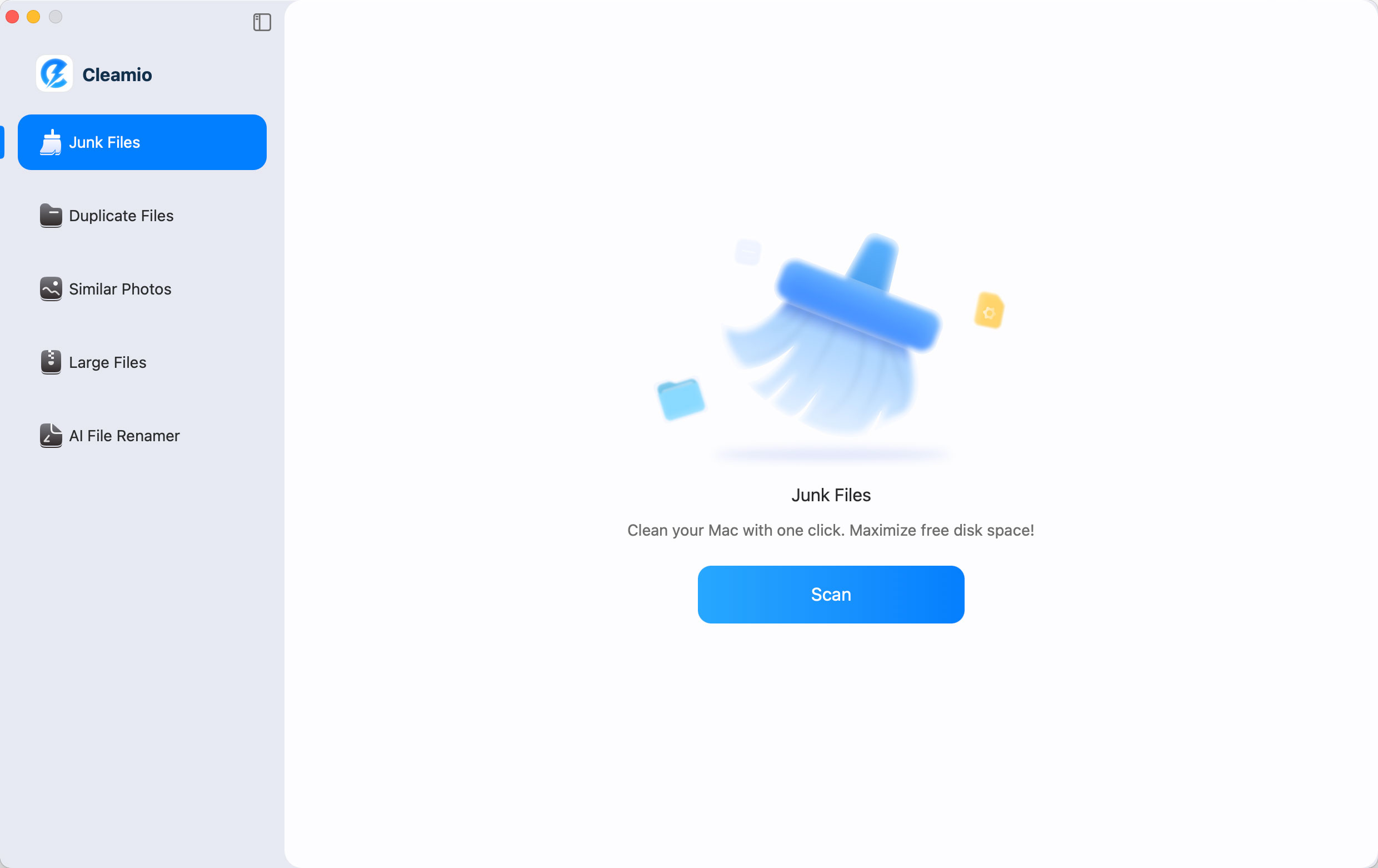
Download and install Tenorshare Cleamio on your Mac, then launch it. Select "Junk Files" and click "Scan".
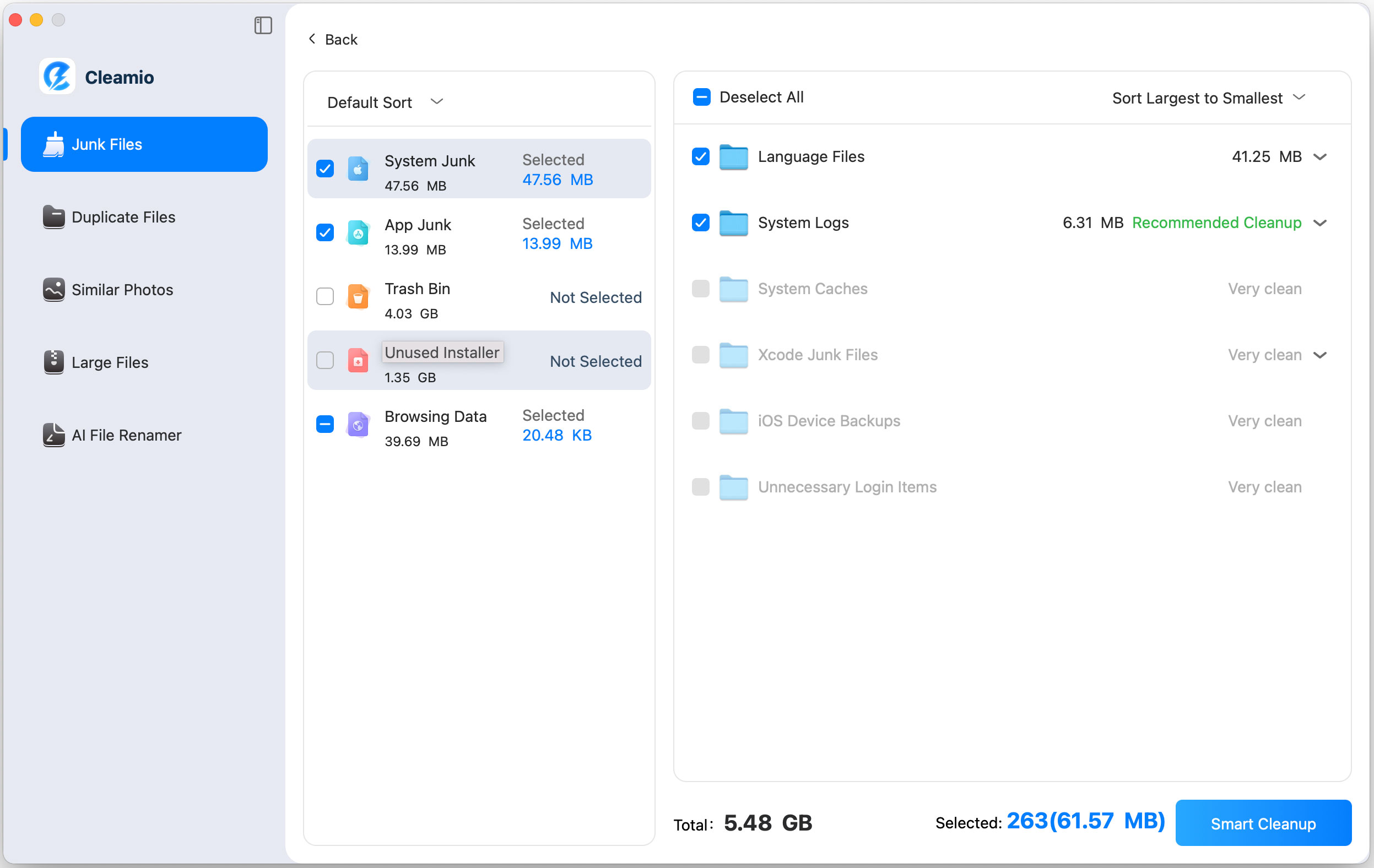
Choose the type of junk files that you want to delete and select the Junk file folders under each category. After selecting your desired files, click "Smart cleanup".
Once the cleanup is successful, click "OK", and you have removed the selected files from your Mac.


You can also use Cleamio to completely uninstall unwanted apps and remove leftovers from Mac in the "App Management" section. Besides, it can used to scan and delete large files and duplicate files from the "Large Files" and "Duplicate Files" sections.


Delete Large Files on Mac

Scan and Delete Duplicate Files on Mac

Understanding how to access and clear other storage on a Mac is the key to reclaiming space and restoring performance. While manual cleanup can help, it often leaves hidden files behind. For a safer and more complete solution, Tenorshare Cleamio provides intelligent scanning and cleanup that removes unnecessary data without risking your system.
If other storage keeps growing, automation is the smart long-term fix.


then write your review
Leave a Comment
Create your review for Tenorshare articles
 Cleamio
All-in-One Mac Cleaner & Optimizer
Share this post


Cleamio: All-in-One Mac Cleaner & Optimizer
Clean junk files, free up space, and boost Mac performance
No.1 Mac Cleaner & Optimizer
Clean, speed up, and optimize your Mac
By Jenefey Aaron
2026-10-20 / Mac Cleanup