


UltData - Best iPhone Data Recovery Tool
Recover Deleted & Lost Data from iOS Devices Easily, No Backup Needed!
UltData: Best iPhone Recovery Tool
Recover Lost iPhone Data without Backup
Backing up an old iPhone before moving to a new one is one of the most important steps in the switching process. Unfortunately, you may sometimes see a message that an iCloud backup failed just when you need it most.
Fortunately, an iCloud backup failure does not always mean that all of your data is gone. In many cases, you can fix the backup problem and create a new backup. You may also have another backup on a Mac or Windows computer, or some information may still be synchronized with iCloud.
This guide explains why iCloud backup can fail, what you can do before switching phones, and what recovery options remain if the old iPhone has already been erased.

An iCloud backup can fail for several reasons. One of the most common is insufficient iCloud storage. If the backup requires more space than your account has available, the process may stop instead of completing.
Before switching to a new iPhone, always verify that the backup actually completed rather than assuming that starting the backup process is enough.


Temporary software or connection issues can sometimes cause a backup attempt to fail. Before trying again, connect the iPhone to a reliable Wi-Fi network and plug it into power.


Avoid switching networks or disconnecting the iPhone from power while the backup is in progress. Afterward, check the backup details to confirm that a recent backup date and time are shown.
An outdated version of iOS or a temporary Apple Account authentication problem can sometimes interfere with iCloud services.
Once the account and iOS version are in order, attempt the iCloud back up again.
If iCloud continues to fail, create a local backup on a computer before switching to the new iPhone.
For Mac users, Finder can be used to back up an iPhone. Here is how you can do it.


A computer backup has two important advantages. First, it does not depend on available iCloud storage space. Second, the backup is saved locally on your computer, giving you another copy of your information.
If possible, keep this backup until you have successfully transferred and verified your data on the new iPhone.
The situation is more difficult if the old iPhone has already been erased, the new iPhone cannot restore from iCloud, and no usable backup exists.
Official recovery options may then be limited. However, there are still several checks worth performing before assuming that everything is permanently lost.
Check Whether Your Data Is Still Available Through iCloud Sync
Not all iPhone information depends entirely on an iCloud device backup. Some categories may be synchronized separately with iCloud.
Sign in to the same Apple Account on the new iPhone and check whether your synchronized contacts, photos, notes, files, calendars, or other supported information are available.
If the information is synchronized rather than stored only in the failed backup, it may appear on the new device after synchronization is enabled.
Restore Data from Another Available Backup
Look for any other backup that may have been created before the phone switch.
Possible sources include:
The important limitation is that a backup must actually contain the missing information. If the data was never included in any backup or synchronized copy, restoring a different backup cannot recreate it.
If iCloud backup failed, no Finder/iTunes backup is available, and important data disappeared after switching to the new iPhone, you may need to consider a dedicated recovery solution.
If the old iPhone is still available and has not been erased, a recovery tool may be able to scan the device for available information. Tenorshare UltData for iOS is designed for iPhone data recovery and can be used to examine certain types of recoverable data.




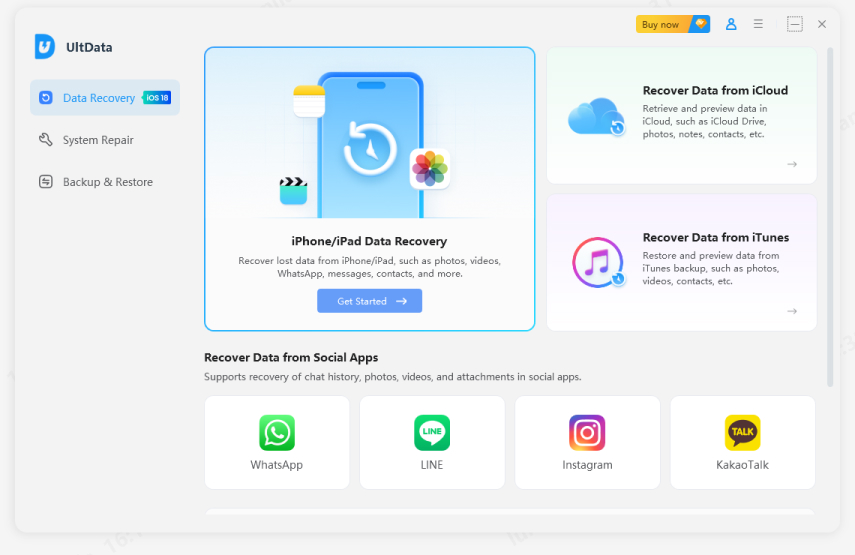
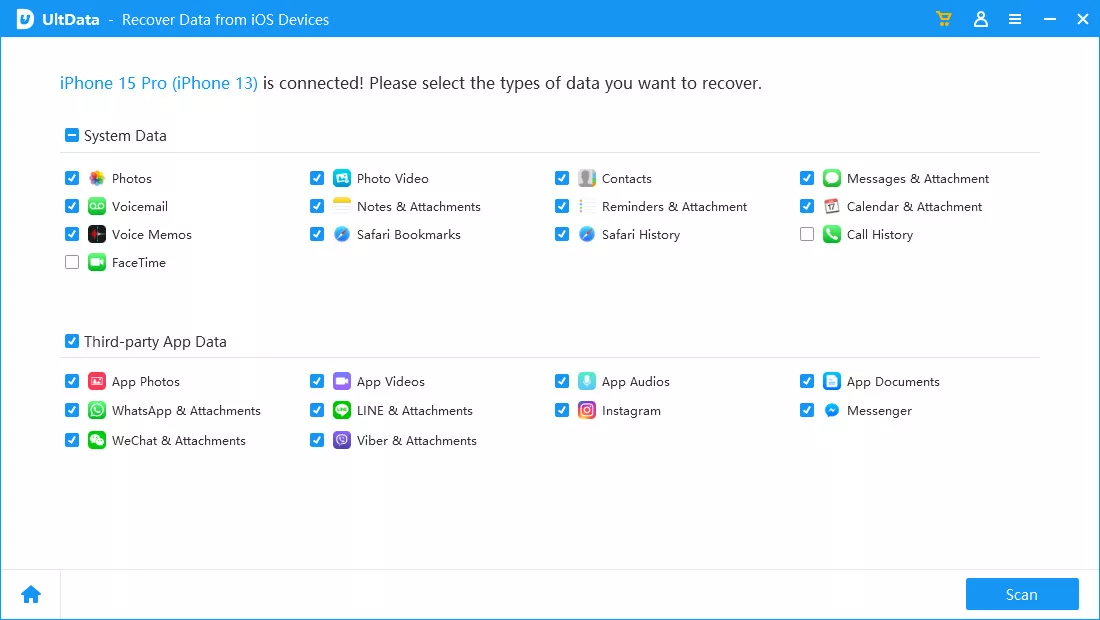
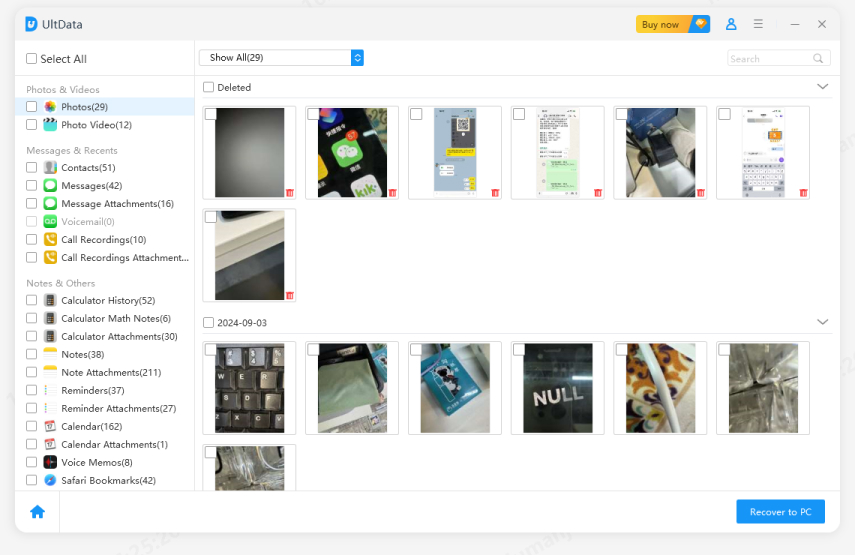
Recovery is not guaranteed, especially if the phone has already been erased or the missing data has been overwritten. Therefore, if the old iPhone is still accessible, avoid unnecessary use until you have decided on a recovery approach.
It may be due to insufficient iCloud storage, an unstable Wi-Fi connection, outdated iOS, or a temporary iCloud account issue.
Yes, you can transfer data using Quick Start, a Finder/Apple Devices backup, or another available backup method.
Yes, you may be able to recover some data from the iPhone itself, synced services, another backup, or a data recovery tool.
An iCloud backup failure before switching to a new iPhone is frustrating, but it does not automatically mean that your data is lost. Start by checking iCloud storage, reconnecting to a reliable Wi-Fi network, restarting the iPhone, updating iOS when appropriate, and confirming your Apple Account settings.
The best solution for the data recovery is through Tenorshare UltData recovery tool and it does not require a backup to do its work.


UltData - Best iPhone Data Recovery Software




then write your review
Leave a Comment
Create your review for Tenorshare articles
Share this post


UltData - Best iPhone Data Recovery Tool
Recover Deleted & Lost Data from iOS Devices Easily, No Backup Needed!
UltData: Best iPhone Recovery Tool
Recover Lost iPhone Data without Backup
By Jenefey Aaron
2026-09-10 / iOS Data Recovery