
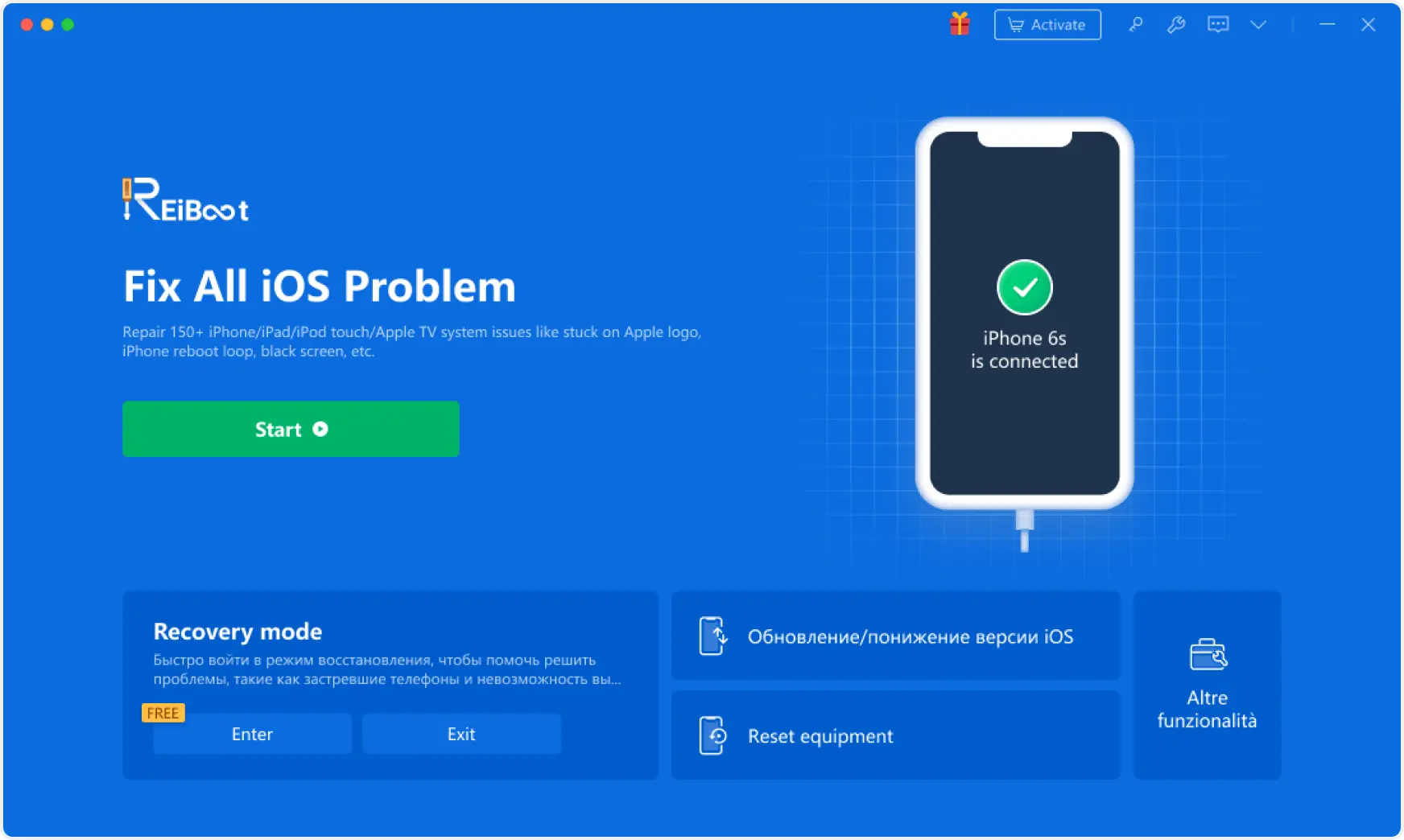

UltData - Best iPhone Data Recovery Tool
Recover Deleted & Lost Data from iOS Devices Easily, No Backup Needed!
UltData: Best iPhone Recovery Tool
Recover Lost iPhone Data without Backup
Losing iPhone photos, messages, or notes can push you into downloading the first recovery tool you see. This FoneLab iPhone data recovery review takes a look at FoneLab. What it recovers, whether it is safe, how it performs during use, and whether the price is justified. We also compare it with Tenorshare UltData. Recovery software should be judged by results, not claims.


Aiseesoft FoneLab iPhone Data Recovery is desktop software for the sake of recovering deleted or inaccessible iOS data from an iPhone, iPad, iPod touch, iTunes backup, or iCloud backup. Meanwhile, its official page highlights device, iTunes, and iCloud recovery, as well as preview and selective recovery, which is more flexible than restoring a complete backup.
Aiseesoft FoneLab review should separate product claims from actual recovery behavior. Typically speaking, people try FoneLab after deleting photos, losing texts, resetting an iPhone, or extracting an old backup. It targets common iOS data such as photos, messages, contacts, call history, notes, videos, voice memos, Safari bookmarks, and app documents.

Is FoneLab data recovery safe? In general, it seems to be legitimate when downloaded from the official website. FoneLab has product pages, purchase pages, and a privacy policy. Its privacy policy says website-collected personal data is not sold or given to third parties. Similarly, Aiseesoft's FAQ says FoneLab is virus-free and does not save or share user information.
That said, safety and recovery success are different things. Any recovery tool may need access to your iPhone, local backups, or iCloud login. For safer use, avoid cracked installers, use a trusted computer, keep two-factor authentication on, and sign out of iCloud after finishing. Also remember that no safe tool can recover data that has already been overwritten.
Although the user interface is easy enough for novices to understand, the performance is inconsistent. The workflow is straightforward, but the problem is waiting time.

Installation was straightforward, but download speed was slow. FoneLab took 6 minutes to download, but competing recovery tools finished in less than 3 minutes under similar conditions. That delay is important when the user is already anxious about lost files.
Device detection was stable once the iPhone was unlocked and trusted from the phone screen.

Before concluding that the program has failed, it is advisable to make use of a reliable USB cable, ensure that the iPhone is awake, and attempt to connect it to a different USB port.

Direct iPhone recovery is the mode users try first. The process is simple. Connect the device, choose file categories, scan, preview, and recover selected items to the computer.
The issue was scan speed. Testing took 20 minutes, and larger storage sizes may take longer. During scanning, avoid taking photos and installing or downloading items. New data can reduce the chance of recovery. Results depend on whether deleted data still exists in recoverable storage.

The iTunes backup mode had a more reliable and consistent feel. FoneLab can detect local backups and scan them without restoring the full backup to the iPhone, which comes handy if your current device contains newer data you do not want to overwrite.
The workflow is beginner-friendly. Choose a backup, scan it, preview data, and export only what you need. If the backup is encrypted, you will need the backup password.

Does FoneLab recover from iCloud? Yes. FoneLab lists iCloud recovery alongside device and iTunes backup recovery. This mode is useful when the iPhone is lost, damaged, or unavailable, but it depends on Apple ID login, two-factor verification, backup size, and internet speed.
When it comes privacy, use this mode very carefully. Sign in only on a trusted computer, avoid public Wi-Fi, recover the necessary files, and review Apple ID activity afterward. Note that iCloud recovery is convenient, but large backups can be slow to load.
For iCloud recovery, it is important to note that the feature retrieves data directly from the iCloud account rather than extracting data from an iCloud Backup. The range of supported data types is also limited, covering mainly Photos, Contacts, Notes, Calendars, and Reminders. Although selective recovery is supported, users cannot access or extract data from iCloud Backup snapshots.

FoneLab is easy to navigate, but its slower download and scanning speed may affect the overall recovery experience. It works well for recovering common iOS files, but its capabilities are more limited when it comes to complex app-level data recovery.
Compared with FoneLab, UltData offers broader recovery options, including recovery from iPhone, iCloud, iTunes, and an additional iCloud Backup Recovery mode. This feature allows users to access and selectively recover more app-related data from iCloud backups, including third-party app data, as long as the corresponding app backup option has been enabled in iPhone Settings.
Tenorshare UltData supports preview and selective recovery across 35+ data types, providing more flexibility for users who need deeper iOS data recovery.

FoneLab works best when deleted data still exists on the device, iTunes backup, or iCloud. After accidental deletion, stop using the phone, check Recently Deleted, and scan before new data.
FoneLab can target photos, videos, messages, contacts, call history, notes, voice memos, Safari bookmarks, app documents, and some messaging app files. Its official page also lists WhatsApp, WeChat attachments, Viber, LINE, Kik, Messenger, QQ, music, and more
Many Aiseesoft FoneLab iPhone data recovery software reviews mention long data-type lists. However, social app recovery demands realistic expectations. Listing an app does not always mean full recovery of every chat, attachment, video, sticker, or shared file.
FoneLab is more appropriate for standard iOS data recovery than full social communication recovery. If deleted content existed only inside an app such as WeChat, Instagram, or Facebook Messenger, as well as there was no app backup or iCloud copy, recovery might be limited.
UltData has a more powerful angle here. Tenorshare highlights deleted social app recovery for chats, photos, and videos from WhatsApp, Viber, WeChat, Kik, LINE, KakaoTalk. Also, it mentions WhatsApp, Instagram, and more apps on its purchase page.
Deleted app-level chat history might be inaccessible if the app removes, encrypts, or overwrites local data. Recovery also depends heavily on storage condition. Suppose deleted data is overwritten. In that case, FoneLab, UltData, and similar consumer tools cannot restore it.
FoneLab pricing differs by store, discount, and license type. On the official FoneLab purchasing site, a 1-month subscription was advertised at $49.95 for 1 PC and 1 device. Additionally, the license auto-renewed and included a 7-day money-back guarantee. Aiseesoft's purchase page showed a lifetime license at $69.95 for 6 devices and 1 PC during the checked offer.
The value is determined by the results of the scan. It may make sense to pay for the scan if the free one can preview the file that you are missing. The slower testing experience that FoneLab provides makes its worth less appealing if to provide more comprehensive recovery coverage.
 Please swipe to view
Tenorshare's official purchase page listed UltData plans including a 1-year license at $49.95, a 1-month license at $45.95, and a lifetime license at $65.95, with 1 PC and 5 mobile devices. That makes UltData appealing to those seeking more device coverage and social app support.

This FoneLab iPhone data recovery review demonstrates that FoneLab is worth considering for basic iPhone recovery, particularly for the extraction of photos, contacts, notes, and messages, as well as iTunes backups. It is simple, legitimate-looking, and easy to follow.
However, it is not the best choice if you care about scan speed, deep social app recovery, or maximum value from one license. For standard recovery, FoneLab can help. For broader coverage and a stronger overall feature set, Tenorshare UltData is the better recommendation.






UltData - Best iPhone Data Recovery Software



then write your review
Leave a Comment
Create your review for Tenorshare articles
Share this post


UltData - Best iPhone Data Recovery Tool
Recover Deleted & Lost Data from iOS Devices Easily, No Backup Needed!
UltData: Best iPhone Recovery Tool
Recover Lost iPhone Data without Backup
By Jenefey Aaron
2026-09-10 / Reviews