


 iOS Tips & Latest Updates
 Bug Fixes, Unlock Guides
 Giveaways & Freebies
Cleamio: All-in-One Mac Cleaner & Optimizer
Clean junk files, free up space, and boost Mac performance
No.1 Mac Cleaner & Optimizer
Clean, speed up, and optimize your Mac
If you're wondering how to optimize storage on Mac, you're not alone. Over time, your Mac's storage fills up with large files, apps, system caches, and duplicates, slowing down performance and consuming precious space. Fortunately, optimizing your Mac's storage doesn't have to be complicated or time-consuming. Whether you're looking to manage iCloud storage, clean up photos, or optimize system storage, there are simple steps you can take to regain control.
In this guide, we'll explore the best tips and tricks for optimizing storage on Mac, focusing on practical and effective solutions. Cleamio, a powerful tool, helps automate the storage cleanup process by quickly identifying and removing unwanted files. It offers an effortless way to optimize storage without the risk of deleting important data. By using Cleamio, you can clear system caches, get rid of duplicate files, and free up space, all in just a few clicks.
Keep reading to discover how to optimize storage on Mac and make your device run faster, while also ensuring that you keep everything you need!
Before diving into the solutions for how to optimize storage on Mac, it's helpful to understand why storage fills up so quickly. Knowing the common causes can help you prevent unnecessary clutter and take better control of your storage.

Your Mac is designed to store many types of data, including system files, apps, media files, and cached data. While some of these files are essential for the Mac to run smoothly, others can accumulate over time and unnecessarily take up space. These files often go unnoticed, causing your Mac to slow down and use up storage. Regular maintenance, such as clearing caches and removing unused apps, can help keep your Mac's storage free.
Another common reason for a full disk is large apps and files you might not even be using. Apps that are rarely opened or large files like videos and system backups can quickly eat up your storage. Cleaning up these files will not only free up space but also help optimize your Mac's performance.
Now that we know why storage fills up quickly, let's take a look at the best ways to optimize storage on Mac. These methods will help you free up space without affecting the essential files or your Mac's performance.
The first step in optimizing storage on your Mac is to manually go through your files and remove anything that's no longer needed. You can start by cleaning out the Downloads folder, old documents, or any duplicate files.


While this method is effective, it can be time-consuming and may not always get rid of all the unwanted files. This is where tools like Cleamio come in handy.
macOS provides built-in tools that can help manage your storage. You can access them by clicking on the Apple logo in the top-left corner and selecting About This Mac, then going to the Storage tab. This will give you an overview of what's using your storage, such as system files, apps, and documents.

You can also use the Manage button to get a more detailed breakdown and start clearing files that you don't need. However, the built-in tool doesn't always capture everything, leaving room for optimization with third-party software like Cleamio.
While the manual cleanup and macOS tools work, they may leave behind unnecessary files that can continue to consume space. Cleamio is a great solution for a faster, more efficient cleanup. Here's how Cleamio helps to optimize storage on Mac:
Cleamio automatically scans your Mac for unnecessary files, system logs, app caches, and even duplicate files. It helps to clear out the clutter quickly, without the need for complicated steps. Cleamio takes the guesswork out of storage management and ensures that only the unimportant files are removed, making your Mac faster and more efficient.

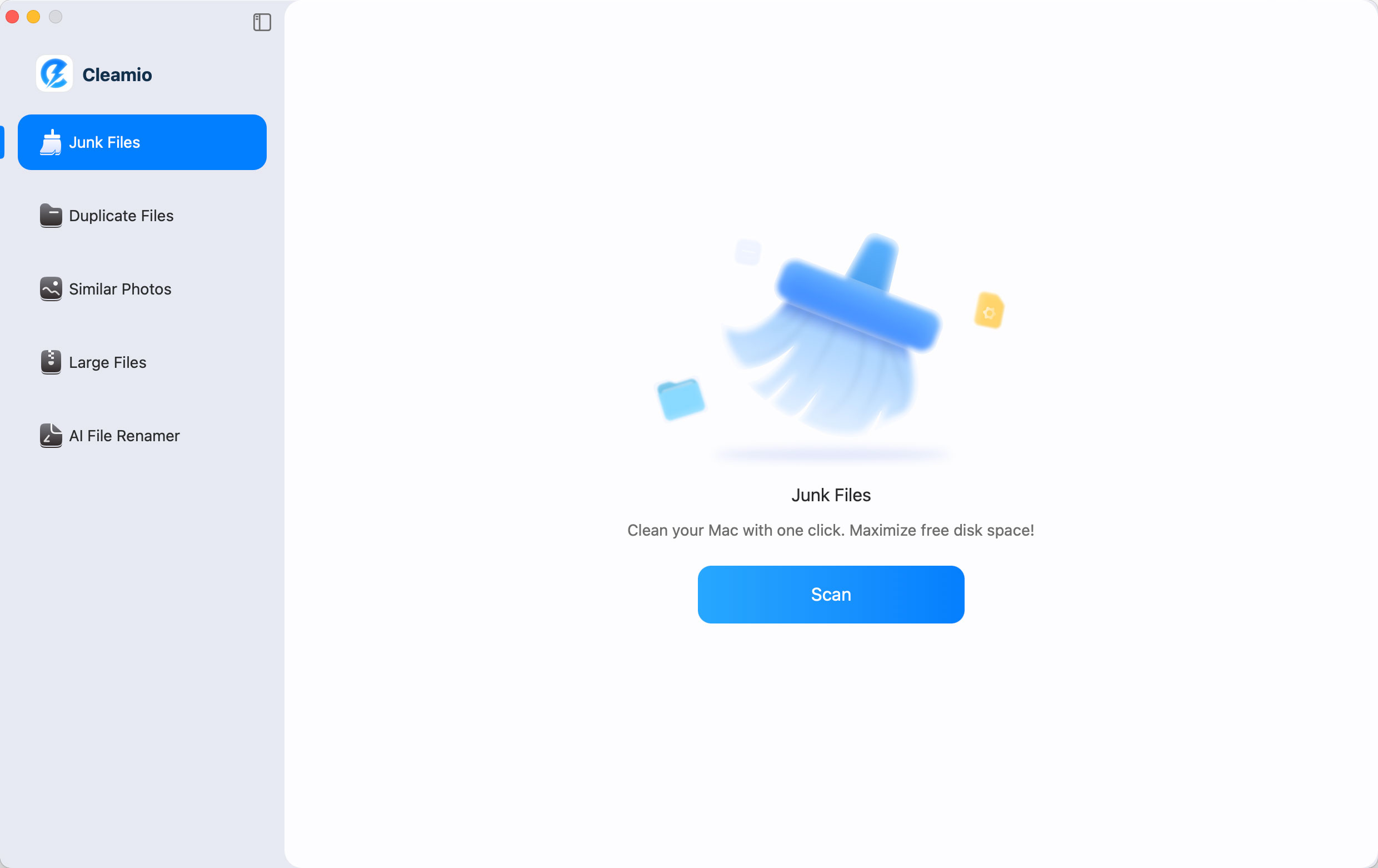
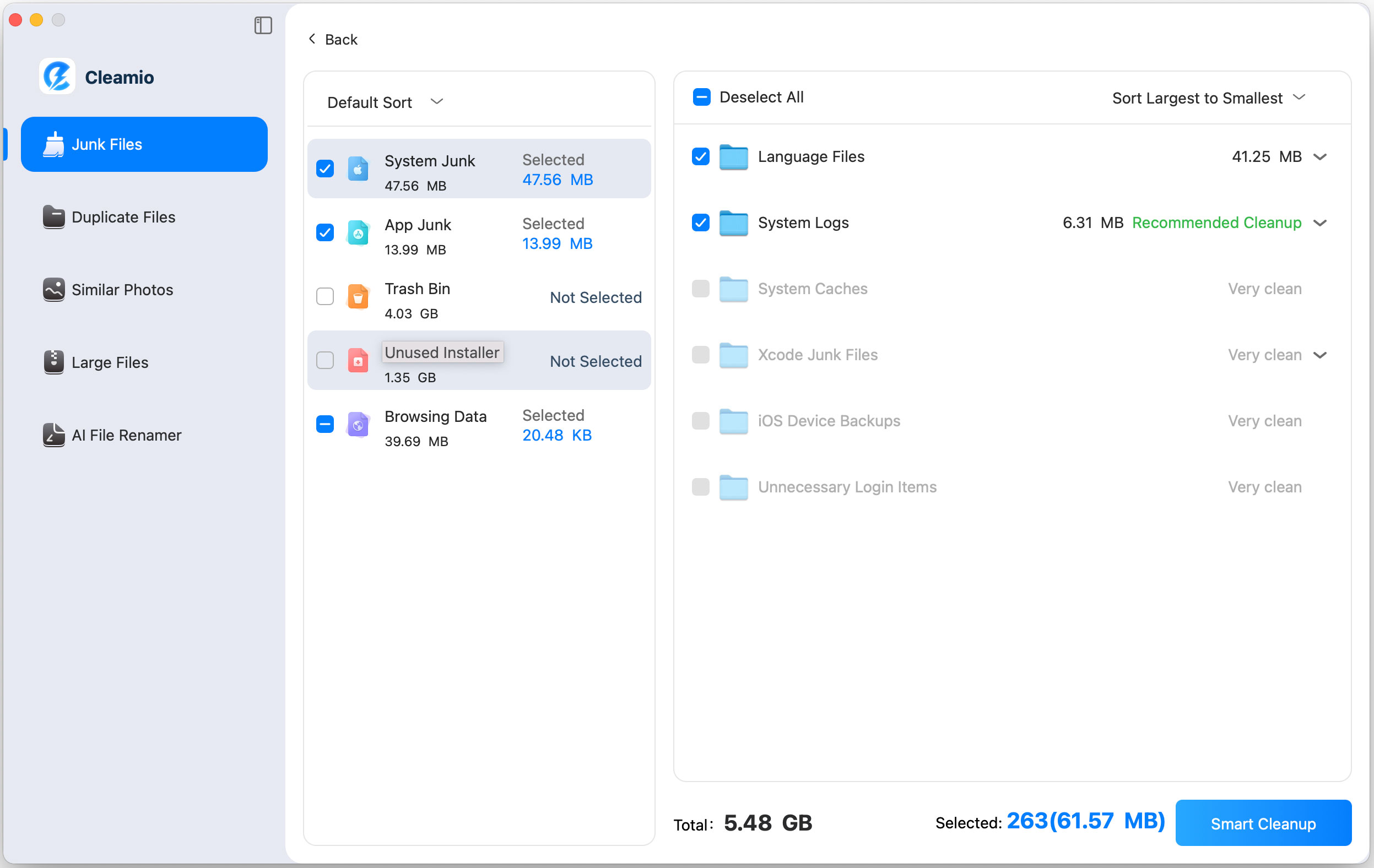

Cleamio's automated process helps you optimize storage on your Mac quickly and without the hassle of manually sorting through files.
Once you've freed up some space, it's important to maintain it regularly. Here are some extra tips to ensure your Mac remains clutter-free and optimized for the long term.
To keep your Mac running smoothly, set a schedule for regular cleanup using Cleamio. You can set it to scan periodically to make sure your Mac doesn't accumulate unwanted files again. Automating this process saves you time and keeps your Mac optimized without manual intervention.
Instead of storing all your photos, videos, and documents locally, you can use cloud storage like iCloud. This reduces the space needed on your Mac, and your data is still accessible from any Apple device. You can set up iCloud Photo Library to automatically back up your photos, ensuring they're always available without taking up space on your Mac.

For optimal results, it's recommended to enable automatic iCloud backup and use the "Optimize Mac Storage" option to keep only recently accessed files on your device.
We recommend doing a cleanup every few months or whenever your storage hits high percentages. Regular maintenance helps prevent performance issues and ensures your Mac runs smoothly.
Cleamio is primarily designed to remove unnecessary files safely. For recovering deleted files, you may need dedicated data recovery software like UltData for Mac.
Yes, it's generally safe to delete system caches. Cleamio identifies which cache files can be safely removed without affecting your Mac's functionality. The system will recreate necessary cache files as needed.
Optimizing storage on your Mac doesn't have to be complicated. Whether you're manually deleting old files, using macOS's built-in tools, or using Cleamio for a quick and effective cleanup, there are many ways to manage your storage. Cleamio is the best solution for users looking for an automated, safe, and simple way to clear up disk space and keep their Mac running efficiently.
By following the tips in this guide, you can easily free up space and improve your Mac's performance in 2026. Don't let storage issues slow you down—download Cleamio today and start optimizing your Mac storage with ease.
For a seamless cleanup experience, visit the Cleamio website to start freeing up storage and keeping your Mac running like new!
The fastest, safest way to optimize your Mac storage and improve performance with just one click.


then write your review
Leave a Comment
Create your review for Tenorshare articles
 Cleamio
All-in-One Mac Cleaner & Optimizer
Share this post


Cleamio: All-in-One Mac Cleaner & Optimizer
Clean junk files, free up space, and boost Mac performance
No.1 Mac Cleaner & Optimizer
Clean, speed up, and optimize your Mac
By Jenefey Aaron
2026-09-28 / Mac Cleanup