

then write your review

ReiBoot - No.1 Free iOS System Repair Software
Fix 150+ iOS Issues without Data Loss & Safely iOS 27 Upgrade/Downgrade
ReiBoot: No.1 iOS Repair Tool
Fix 150+ iOS Issues, No Data Loss
Exploring an Apple beta can feel exciting at first, but bugs, slow performance, and app crashes can quickly interrupt your daily work. When instability starts affecting productivity, switching back to a stable macOS version is the best way to address it.
Many users later decide to downgrade macOS 27 to 26 to restore a smoother and more stable experience on their Mac. In this guide, you will learn proven methods to safely return to macOS 26 Sequoia without confusion or risk.
Downgrading macOS 27 to 26 is possible, but it is usually not fully safe for data. In most cases, Apple requires you to erase your Mac before installing an older version of macOS. This means files, apps, and settings can be removed during the process.
The only safe way to avoid data loss is if you already have a Time Machine backup from macOS 26. In that case, you can restore everything after downgrading.
Without a backup, you will need to reinstall macOS and manually recover your files later.
Proper preparation is the most important step before you downgrade macOS 27 to 26. It helps you avoid errors, failed installs, and unexpected data loss during the process.
Different methods are available to How to downgrade macOS 27 to 26, and each one depends on whether you have a backup or not. Some methods keep your data safe, while others perform a full clean install. Below are the most reliable options explained.
Most recommended way to Downgrade macOS Tahoe to Sequoia without losing data. It restores your entire system back to a previous stable version, including apps, settings, and personal files. However, this method only works if you created a Time Machine backup before installing macOS 27. Without that backup, this option cannot be used.
Steps to Downgrade macOS Tahoe to Sequoia without losing data Using Time Machine


A fresh installation through Internet Recovery is often used when there is no backup available or the system becomes unstable after a beta update. It directly downloads macOS Sequoia from Apple servers and installs it from scratch.
Everything on the Mac is erased during this process, which makes it a clean slate but also means data must be backed up separately beforehand.
Here is how to downgrade macOS Tahoe to Sequoia without USB:


For users who prefer more control over the downgrade process, installing macOS Sequoia through a bootable USB is a powerful option. It allows installation even when internet recovery is slow or unavailable. This method is commonly used by advanced users or when performing a full system reset.
How to downgrade macOS 2 to Sequoia with bootable method:


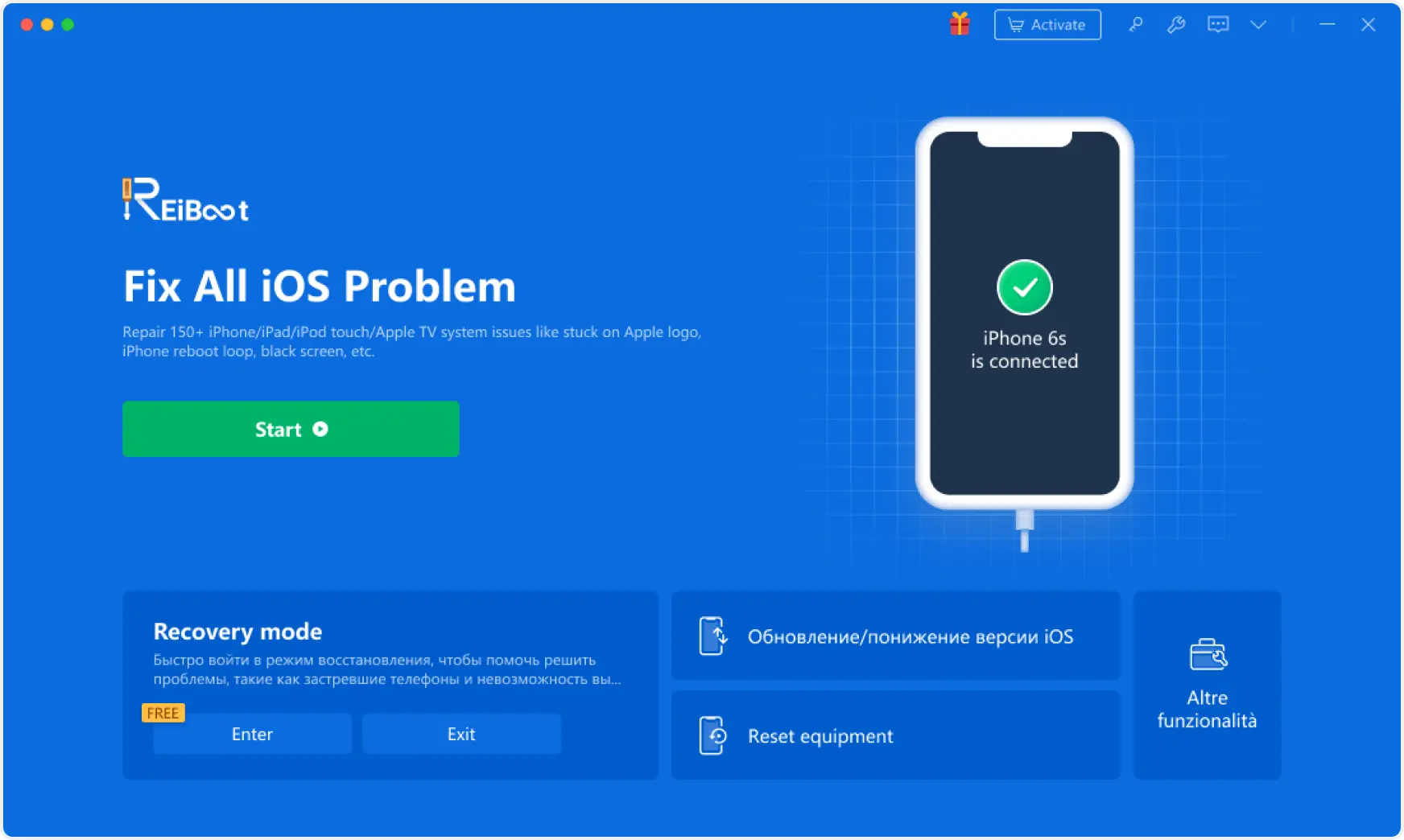
Downgrading an iPhone from a beta version can often feel complicated, especially when you deal with errors, or failed restore attempts. In such situations, Tenorshare ReiBoot can make the process much easier.
It is designed to fix iOS system issues and help users upgrade or downgrade iOS safely without going through complex manual steps in iTunes or Finder. It works for both iPhone and iPad, making it a practical option for users stuck on unstable beta software like iOS 27.
Key Features of Tenorshare ReiBoot




After downgrading, a few quick checks help your Mac run smoothly and avoid hidden issues from the beta system.
1. Check your files and apps
Make sure your documents, photos, and apps are restored properly. If you used Time Machine, some apps may ask you to sign in again.
2. Turn on iCloud sync
Go to Apple ID settings and confirm iCloud Drive, Photos, and other services are syncing correctly. It may take some time to finish syncing.
3. Update macOS Sequoia
Open Software Update and install any available updates. These updates fix bugs and improve system stability.
4. Reinstall important apps
Update or reinstall apps that were used on the beta version to make sure they work properly on Sequoia.
5. Adjust system settings
Check basic settings like display, sound, and keyboard. Some settings may reset after downgrade.
Yes but only if you have a Time Machine backup made before installing the beta. Without a backup, a downgrade usually erases your data.
Apple does not provide a direct "rollback" button. You need to reinstall macOS Sequoia using Recovery, Time Machine, or a bootable installer.
This usually happens due to incomplete installation, corrupted download, or unstable internet during recovery. Restarting Recovery Mode often fixes it.
It depends on your method and internet speed. It usually takes between 1 to 4 hours, including download and installation time.
Downgrading a beta is not just about removing an update it's about getting your Mac back to smooth and stable performance. The easiest way to downgrade macOS 27 to 26 is to pick the right method for your situation. Similarly, if your mobile device is struggling with buggy test software, you can try ReiBoot for iPhone/iPad to safely bypass complex recovery screens.
then write your review
Leave a Comment
Create your review for Tenorshare articles
Share this post


ReiBoot - No.1 Free iOS System Repair Software
Fix 150+ iOS Issues without Data Loss & Safely iOS 27 Upgrade/Downgrade
ReiBoot: No.1 iOS Repair Tool
Fix 150+ iOS Issues, No Data Loss
By Jenefey Aaron
2026-09-16 / iOS 27