Mac Finder not responding or working, freezing, and stuck on the same
screen. You're not alone, many Mac users face this frustrating issue at some
point. It can strike without warning: right after startup, during work, or
following an update, instantly disrupting your workflow.
In this post, we'll explore why Finder stops responding, its common causes,
and simple ways to fix it without panic or complications
Why Is My Mac Finder Not Resonding & Keeping Freezing?
Finder is the backbone of macOS. When it freezes, the whole Mac feels
broken—even if the system is still running.
Common Situations Where Finder Stops Responding
Finder problems usually appear in specific situations. Once you notice when
it happens, finding the right fix becomes much easier.
Finder not responding after relaunch: You force quit and relaunch
Finder, but it freezes again immediately or shortly after.
On startup: Finder fails to load properly when booting your Mac,
leaving the desktop blank (no icons) or unresponsive.
After update: Common post-macOS update (e.g., to Sonoma, Sequoia,
or Tahoe), due to indexing delays, compatibility bugs, or corrupted files.
Slow to respond: Finder lags when opening folders, searching, or
copying files, eventually freezing.
Won't open: Clicking the Finder icon does nothing, or new windows
refuse to appear.
Can't close: Finder windows or the app itself won't quit, even via
Force Quit.
These situations are commonly reported on newer systems as well, including
cases where macOS Sequoia Finder not responding appears shortly after
upgrading.
Common Reasons Finder Keeps Freezing
Something often leads to Finder freezing, such as resource strain, software
changes, or conflicts, resulting in the app becoming overwhelmed. Here are
the most frequent underlying causes, based on widespread user reports and
troubleshooting guides:
Low storage space: Drive nearly full (<15-20% free) → Finder
struggles with thumbnails/previews. See:How to get more disk space on Mac.
Low RAM/memory pressure: Too many apps/tabs open → system overloads
Finder.
How to Fix Mac Finder Not Responding? (6 Fixes That Actually Work)
In case you are looking to know what to do if Finder is not responding, the
good news is that most of the solutions are very basic and do not pose any
threat. This implies that there are no technical skills needed and anyone
can give them a test.
The fixes below are practical and based on common Finder problems. They work
across different macOS versions and devices, especially when Finder not
responding keeps coming back.
1) Clean Junk Files and Free Up Storage
One major reason behind Mac Finder not responding is low free
storage. When your Mac doesn’t have enough space, Finder struggles to load
folders, previews, and system data properly.
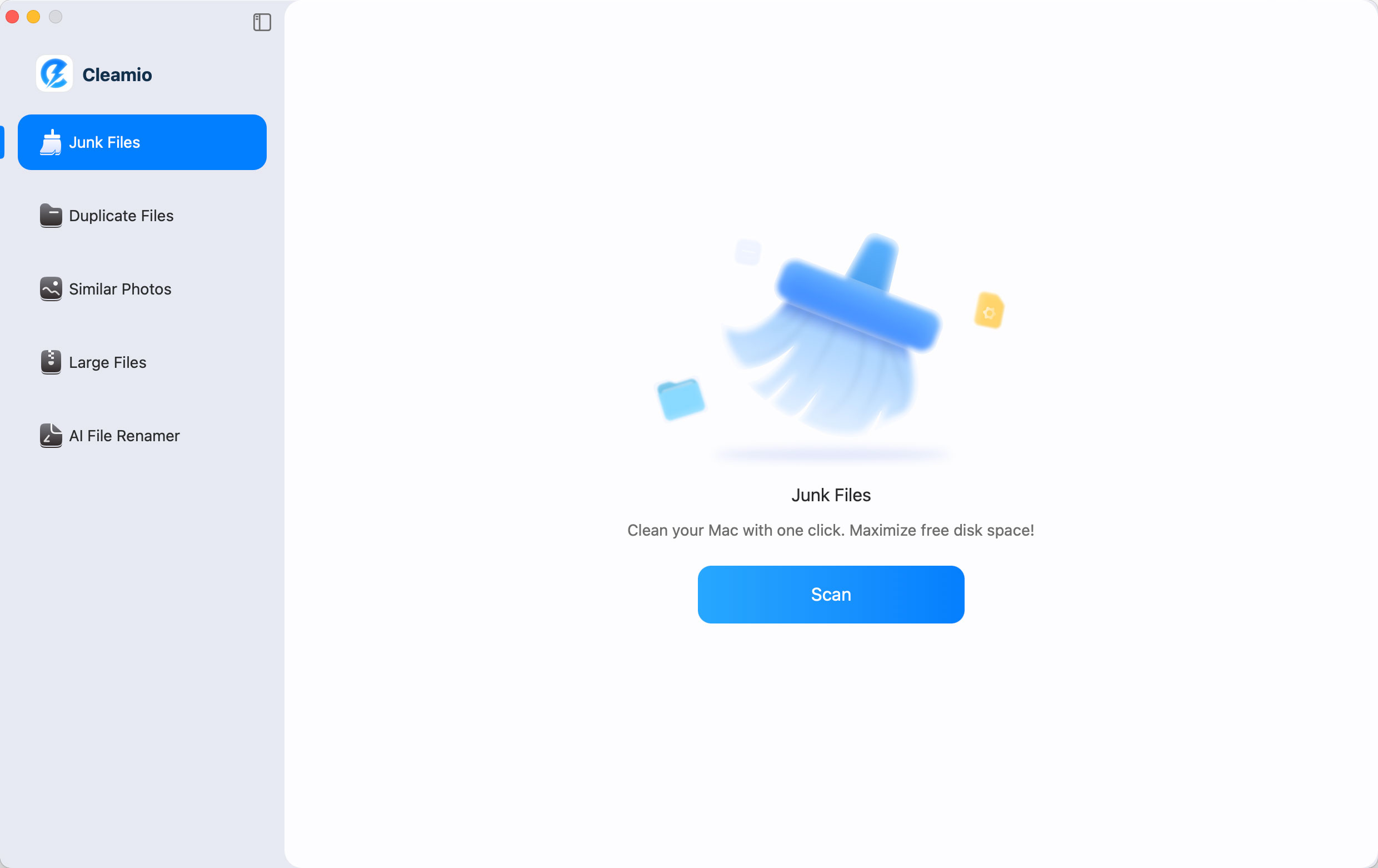
This is where a Mac cleanup tool like
Tenorshare Cleamio
can make a real difference. It removes junk files, cache data, system logs,
and other unnecessary files that quietly slow Finder down.
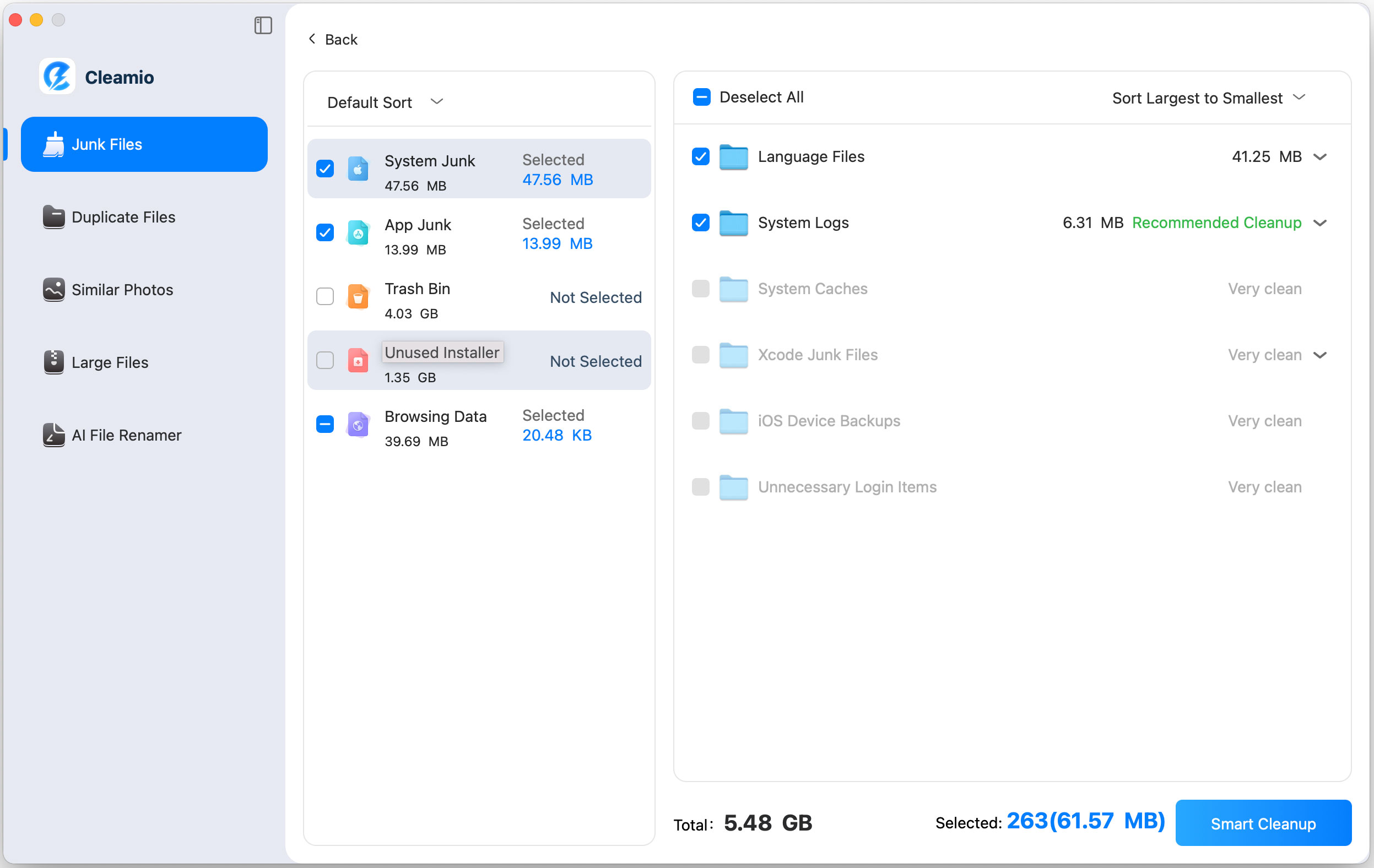
Wait for the program to find the junk files in your system. Once
completed, you can see all detection details: system junk, app junk,
trash, borwsing data, and unused installers sorting by size, time, or
others.
Choose the junk files you want to delete and click “Smart Cleanup”. Your
Mac will have deleted unnecessary junk files.
2) Clear or Move All Items from Desktop to a New Location
Many users don’t realize that the Desktop is handled directly by Finder. If
the desktop has many files in it, then Finder has to load all of it
together. This can sometimes result in crashes or even freezes. If Apple
Finder not responding happens right after login, a cluttered Desktop is
often the reason. Large videos, screenshots, and folders add more load than
expected.
Moving most Desktop items into a single folder usually improves Finder
performance almost immediately, especially on older Macs or systems with
limited storage.
Create a new folder (e.g., "Desktop Archive") in Documents.
Select all Desktop items (Cmd+A) and drag to the new folder.
Restart Finder (see Fix 4) to refresh.
3) Delete Finder Preference and Cache Files
Finder uses cache and preference files to store settings and behavior. Such
files become corrupt and this can make finder freeze.
Open Finder and click on the Go menu in the top menu bar.
Select Go to Folder (or use the shortcut Shift + Command + G).
Type ~/Library/Caches into the field and press Return.
Locate the folder named com.apple.finder.
Open this folder and move the files inside to the Trash. Do not delete
the com.apple.finder folder itself, only its contents.
Empty the Trash by right-clicking the Trash icon in the Dock and
selecting Empty Trash
This is often the reason why Finder keeps not responding, despite restarting
Finder or re-rebooting your Mac. When these files are deleted, Finder has to
generate new ones.
A number of users have noticed that MacBook Finder not responding issues are
no longer present after the deletion of Finder-related cache and preference
files and reboot of the Mac.
4) Force Quit Finder and Relaunch It
Sometimes Finder simply gets stuck and needs a reset. Knowing how to deal
with this saves time when Finder not responding on Mac interrupts
your work.
Using activity monitor, you can force quit Finder. Relaunch it again, and
the process that caused the issue will have been suspended, meaning it will
be good to go again.
Open Activity Monitor (Spotlight: Cmd+Space > "Activity Monitor").
Search "Finder", select it > click X > Force Quit.
Relaunch: Option + right-click Finder icon in Dock > Relaunch.
It is one of the fastest solutions when you need to know what to do if
Finder is not responding, particularly when you do not require to reboot
your system.
5) Disable iCloud Drive or Other Cloud Sync Services
Cloud syncing can overload Finder, especially when large folders are
involved. This usually causes slow performance or freezing.
When the problem of Mac Finder not responding occurs, in particular,
to specific folders, it can be assumed that the problem could be caused by
cloud services such as iCloud Drive, Dropbox, or OneDrive.
Restart Finder. Re-enable later if needed. Do similar in
OneDrive/Dropbox apps.
6) Restart or Force Reboot Your Mac
When you restart your Mac, it can clear temporary issues. The background
processes get reset, allowing the Finder to return to a normal state. But
this doesn’t always work. In such cases, trying a force reboot might do the
trick.
Here is how to do a force reboot:
Apple menu > Restart.
If frozen: Hold power button for force reboot.
This is especially helpful when dealing with MacOS sequoia Finder not
responding after recent system updates or changes.
People Also Ask About Finder Not Responding on Mac
Many users have similar questions once Finder starts acting up. These
answers cover the most common concerns without getting too technical.
Q1: What to do if Finder sidebar is missing?
If the Finder’s sidebar is missing, restarting it or resetting preferences
usually fixes this issue. Sidebar problems often appear alongside apple
Finder not responding situations.
Q2: How to reset Mac Finder?
To reset Finder, deleting preference files and restarting your Mac is
usually enough. This doesn’t affect personal files or documents.
Q3: How can I restart Finder on my Mac?
Hold the Option key, right-click the Finder icon in the Dock, and select
“Relaunch.” This often fixes quick freezes.
Q4: What do I do if Mac Finder is not responding after an update?
When Finder stops responding after an update, cleaning of storage space and
deactivating of cloud synchronization are the most appropriate initial
actions. Daily updates are a frequent cause of Finder not responding on Mac
because of system changes.
Q5: Finder keeps not responding, what should I do?
Check disk space, remove problematic extensions, and run First Aid in Disk
Utility. Ongoing issues usually mean a system conflict.
Conclusion
The Mac Finder not responding issue is disruptive but rarely serious.
In most cases, it results from limited storage, corrupted system files, or
background syncing conflicts.
Applying the fixes outlined above can restore Finder functionality without
complex troubleshooting. Regular system maintenance reduces the likelihood
of recurrence.
For long-term performance management, tools like
Tenorshare Cleamio provide a structured way to keep Finder and macOS
operating smoothly.






 iOS Tips & Latest Updates
 Bug Fixes, Unlock Guides
 Giveaways & Freebies





By Jenefey Aaron
2026-09-28 / Mac Tips