


ReiBoot - No.1 Free iOS System Repair Software
Fix 150+ iOS Issues without Data Loss & Safely iOS 27 Upgrade/Downgrade
ReiBoot: No.1 iOS Repair Tool
Fix 150+ iOS Issues, No Data Loss
Your new iPhone 18 not charging ? The most common causes are a bad cable or adapter, a dirty charging port, overheating, battery settings, or an iOS problem. The fastest way to find the cause is to change one part of the charging setup at a time and check what happens. When your iPhone 18 not charging, the problem is not always serious. A damaged cable, weak power adapter, dirty USB-C port, overheated phone, or software issue can all stop the battery from charging normally.
The quickest way to diagnose the problem is to test one part of the setup at a time. Start with the cable, then the adapter, wall outlet, and charging port. This guide explains the common causes, practical fixes, iOS-related charging issues, and when you should try system repair.

Before trying advanced fixes, check the basic parts of your charging setup. The fastest method is simple: change only one item at a time. If you replace the cable, adapter, and outlet together, you may fix the problem but still have no idea which item caused it.
First, connect the charger and check exactly what happens. Your iPhone 18 not charging problem may not mean that the phone receives no power at all. Sometimes the battery icon appears, but the percentage does not increase. In other cases, the iPhone charges very slowly or stops around 80%.
The exact symptom can help you find the right fix. For example, a phone that does not react at all may have a cable, adapter, outlet, port, or battery problem. A phone that charges slowly may have a weak power source or overheating issue.
 Please swipe to view
After identifying the possible cause, try the fixes below in order. Start with the simple hardware checks before moving to software repair. In many cases, the problem is fixed by replacing a faulty accessory or cleaning the charging port.
Test each part of the charging setup separately. This helps you identify the exact cause.
After every test, leave the phone connected for several minutes. Check whether the battery percentage increases. If your iPhone 18 pro not charging with one setup but works with another, the charging accessory is likely responsible. Avoid using an unknown or damaged cable for testing. A reliable cable and power adapter will give you a more accurate result.

Turn off the iPhone if possible and inspect the USB-C port under bright light. If you can see lint or loose debris, hold the phone with the port facing downward. Use a gentle hand air blower to remove loose particles. If necessary, carefully remove lint with a clean, non-metal, non-conductive tool.
Do not:

After cleaning, connect the cable again and check whether it fits properly. If the cable now sits firmly and charging starts, debris was probably blocking the connection. If several known-good cables still fail, the charging port not working iPhone 18 issue may require professional service.
High temperature can affect charging. If the iPhone feels hot, disconnect it from the charger and stop using demanding apps or games. Remove the phone from direct sunlight and place it in a normal, cool room. If you use a thick case, remove it temporarily. Do not put the iPhone in a refrigerator or freezer because extreme temperatures can create more problems. Once the phone cools down, connect it to a reliable wall charger. Leave it alone for around 30 minutes. If the battery was fully drained, the screen may take some time to respond.
A temporary system problem can sometimes make it seem like your iPhone 18 stopped charging. The charging system or software may have stopped responding correctly. A force restart can clear a temporary system issue. Follow these steps:

Use a known-good charger during this test. If the phone still does not respond, leave it connected for at least 30 minutes before trying other fixes.
If the phone still won't charge after a force restart with a known-good charger, the cause is more likely a system file than the hardware. A tool like Tenorshare ReiBoot can repair these files without erasing the phone.




If charging trouble started immediately after an iOS update, the timing may be important. However, you should still test the cable, adapter, and charging port before blaming the update. A cable or adapter can fail at any time. If several known-good chargers fail after an update, a software problem becomes more likely.
First, test your iPhone with different charging accessories. If your phone charged normally before the update and the problem appeared immediately afterward with several reliable chargers, you may be dealing with an iOS issue. Use this quick guide to narrow down the problem:
Please swipe to view
This is especially useful if you are dealing with an iPhone 18 not charging after iOS 27 update. Test the hardware first, then move to software fixes.
If your iPhone 18 stuck at 80% charging, check the battery charging settings. Go to:
Settings > Battery > Charging
Some supported iPhone models allow users to set a charging limit below 100%. If a limit is active, the iPhone may stop charging at the selected percentage. Optimized Battery Charging can also manage charging behavior based on how you use the phone. Review the settings before assuming that your battery is faulty. If you need the phone to charge fully, choose the appropriate charging option and allow the device to cool down if it is hot.

If the hardware works correctly but the problem started after iOS was updated, follow this order:
Restart → Check for Another iOS Update → Reset All Settings
First, restart your iPhone and test the charger again. Next, open:
Settings > General > Software Update
Check whether Apple has released another update. Smaller updates can fix problems found after a major software release.
If the problem continues, you can reset your settings:
Settings > General > Transfer or Reset iPhone > Reset > Reset All Settings
This step resets system settings and preferences but is different from erasing the entire iPhone. However, you should still back up important data before making major changes.

A system repair can be worth trying when your accessories work correctly but charging problems continue. It may help when the issue began after an iOS update or when the iPhone also freezes, restarts unexpectedly, or shows other software problems. This can be useful when an iPhone not charging after update problem continues after restarting and changing the settings.
Consider a system repair when:
If you suspect physical damage to the port, battery, or internal charging hardware, software repair may not solve the issue. In that situation, professional hardware service is a better option.
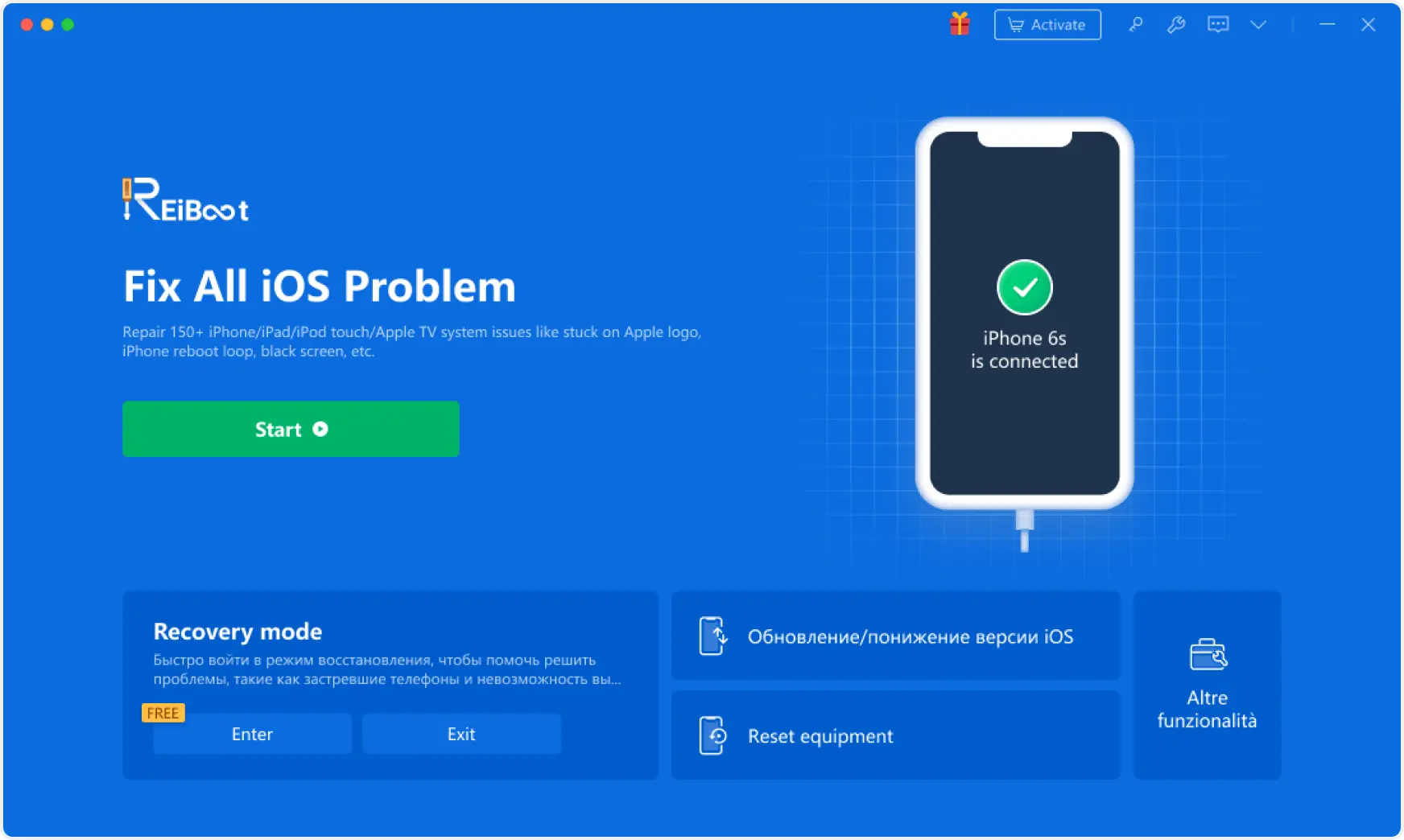
Tenorshare ReiBoot is an iOS system repair tool that can help fix different iPhone software problems that may affect normal charging. If your iPhone 18 still has charging issues after testing the cable, adapter, wall outlet, and USB-C port, a system issue may be involved. ReiBoot offers repair modes for common iOS problems and includes recovery-related tools. The Standard Repair option is a good place to start because it is designed to fix common system errors without intentionally deleting your personal data.


Back up your iPhone whenever possible before repairing the system. A backup is important because serious software repair or recovery steps may involve risks.
Always start with Standard Repair before considering a deeper repair option. Do not disconnect the iPhone while firmware is downloading or while the repair process is running.
The battery may be fully drained, the charger may not provide enough power, or the iPhone may have a software or hardware problem. Use a known-good wall charger and leave the phone connected for at least 30 minutes. Then force restart it and test another cable and adapter.
The charging symbol can appear even when the phone receives too little power to increase the battery percentage. Try another cable, adapter, and wall outlet. Also, stop demanding apps and let the iPhone cool down. Then check whether the battery percentage rises after 15 to 30 minutes.
Check the charging settings under Settings > Battery > Charging . A Charge Limit may intentionally stop charging below 100%. Optimized Battery Charging can also change charging behavior. If the phone stays near 80%, review the selected charging limit and check whether the device is too warm.
Try another wireless charger and power adapter. Remove a thick case and place the iPhone correctly on the charging surface. Restart the phone and test again. If both wired and wireless charging fail with working accessories, check for an iOS problem or arrange professional hardware service.
Turn off the phone if possible and inspect the port under good lighting. Hold the phone with the port facing downward and remove loose lint carefully using a soft, non-metal, non-conductive tool. Do not use needles, pins, liquids, or excessive force. If you cannot clean it safely, ask a qualified technician for help.
If your iPhone 18 not charging , start with the simplest checks before assuming the phone has a serious hardware problem. Test the cable, adapter, and wall outlet one at a time, inspect the USB-C port, let the iPhone cool down, and force restart it. If the issue started after an iOS update, check your charging settings and install any available software update.
When the hardware setup works but the charging problem continues, Tenorshare ReiBoot can be a useful option for possible iOS system-related problems. Start with Standard Repair and back up your important data whenever possible. If your iPhone 18 not charging issue still continues after testing reliable accessories and trying software fixes, the problem may be hardware-related and should be checked by a qualified technician.


Tenorshare ReiBoot - Fix iOS Issues




then write your review
Leave a Comment
Create your review for Tenorshare articles
Share this post


ReiBoot - No.1 Free iOS System Repair Software
Fix 150+ iOS Issues without Data Loss & Safely iOS 27 Upgrade/Downgrade
ReiBoot: No.1 iOS Repair Tool
Fix 150+ iOS Issues, No Data Loss
By Jenefey Aaron
2026-09-11 / iPhone 18