Many new macOS users are surprised when they cannot find a built-in app called
"File Explorer," as on Windows. Instead of using the same name and layout,
Apple handles file management through a tool called Finder. If you're
searching for a file explorer on Mac, you're really looking
for the easiest way to browse, organize, and manage your files in macOS.
This article explores how macOS's file explorer works, how to use it
efficiently, and what alternatives are available.
The equivalent of File Explorer on Mac
is called Finder. Finder is the official, built-in application that serves
as the "home base" for your Mac. Just like Windows File Explorer, it is
always running and allows you to organize all your files, folders, and
applications in one central location. While the interface looks different,
the core logic of navigating a file hierarchy remains the same.
In 2026, Finder has integrated even more AI-driven features, such as "Smart
Suggestions" for filing documents based on your current project. It isn't
just a folder browser. It is a gateway to your entire digital life, managing
everything from your local disk to your iCloud storage and network servers.
It handles the mounting and unmounting of external disks, provides access to
networked storage (NAS), and integrates seamlessly with the macOS security
layer to ensure your private files stay private.
2. Key Features of macOS File Explorer
The Finder is more than just a folder viewer. It is a central hub for your
digital life. Key features include:
Smart Folders: Automatically
organize files
based on custom criteria
Quick Look: Preview files instantly by pressing the
spacebar without opening applications
Tags: Color-code and categorize files for easy retrieval
AirDrop Integration: Share files wirelessly with nearby
Apple devices
iCloud Drive Sync: Access files across all your Apple
devices seamlessly
Tabs and Split View: Manage multiple locations in one
window
Advanced Search: Find files using Spotlight integration
with filters for date, type, and metadata
Customizable Sidebar: Quick access to frequently used
folders and locations
3. Windows File Explorer vs Mac Finder
While both tools serve the same purpose, their logic differs slightly. Here
is a quick comparison table for 2026:
Please swipe to view
Aspect
Windows File Explorer
Mac Finder
interface
ribbon-style ui
minimalist, clean ui
primary navigation
address bar & navigation pane
sidebar & path bar
file preview
preview pane (manual)
quick look (press spacebar)
organization
folders & libraries
folders, tags, & smart folders
drives
drive letters (c:, d:, e:)
named volumes (macintosh hd)
app management
taskbar / start menu
dock / launchpad / applications
context menus
right-click for properties
right-click for "get info"
search engine
windows search
spotlight (integrated)
file pathing
backslashes ()
forward slashes (/)
tabs
recently added (win 11)
native feature for decades
Part 2. How to Open File Explorer on Mac
1. Where Is File Explorer on Mac
The macOS file explorer (Finder) is always located on the far left of your
Dock (the bar of icons at the bottom of your screen). Its icon looks like a
smiling blue face. Because it is a core part of the system, it is always
running and cannot be removed or hidden from the Dock.
2. How to Access File Explorer on Mac
There are several ways to open a new window to browse your files:
The Dock: Simply click the smiling blue face icon once.
If a window is already open, it will bring it to the front.
Spotlight Search: Press Cmd + Spacebar,
type "Finder," and hit Enter. This is the fastest way if your hands are
already on the keyboard.
Keyboard Shortcuts: The shortcut to open the file
explorer on Mac is Command (⌘) + N. You must click on your desktop or have
Finder active for this shortcut to work.
Multiple Windows: If you need two folders open at once,
right-click (or two-finger tap) the Finder icon in the Dock and select
"New Finder Window."
MacBook-specific Tips: On a MacBook trackpad, you can use
a "two-finger tap" on any folder to open the right-click menu, or use
"Mission Control" (swipe up with three fingers) to see all your open
Finder windows at once.
Part 3. How to Use Mac File Explorer Like Windows
For many new Mac users, the behavior of Finder can feel "off" compared to
Windows. Here is how to make it feel more familiar:
Enable the Status and Path Bars: In Windows, you always
see where you are. On Mac, go to the "View" menu in the top menu bar and
select "Show Path Bar" and "Show Status Bar." This adds a breadcrumb trail
at the bottom of the window.
Right-Click Customization: If you miss the "New Text
Document" option, you can use apps or Automator to add "Quick Actions" to
your right-click menu.
Enter Key Behavior: In Windows, pressing Enter opens a
file. On Mac, it renames the file. To open a file, use Cmd + O or Cmd +
Down Arrow.
Column View: This is a "superpower" of the Mac. It allows
you to see the hierarchy of your folders in a horizontal flow, which is
often faster than clicking through folders in Windows.
Part 4. Best File Explorer Alternatives for Mac for Better File Management
Sometimes the native Finder feels a bit too simple for those used to the
complexity of Windows Explorer on Mac. If you need more power, consider
these 2026-tier alternatives:
1. Path Finder
Path Finder is widely considered the most powerful "Windows-like"
alternative for Mac. It provides a modular interface where you can toggle
specific panes, such as a Terminal,
Hex viewer, or ACL editor. It is designed for those who find the standard Finder too
limiting for complex file organization and system-level tweaks.
Key Features:
Modular interface with toggleable panels.
Drop Stack for temporary file grouping.
Built-in Terminal and Hex Viewer.
Native support for Apple Silicon and AirDrop.
Pros
Highly customizable;
Includes advanced ACL (permission) editors
Cons
Interface can feel cluttered;
Steeper learning curve than others
Best For: Power users and "tweakers" who want a
Windows-like modular experience.
2. ForkLift
ForkLift is a robust dual-pane file manager that bridges the gap between
local file management and remote server access. It excels at handling FTP,
SFTP, and Amazon S3 connections directly within the file explorer interface,
making it a favorite for web developers and IT professionals. It is designed
for developers and web admins.
Key Features:
Dual-pane navigation with real-time task monitoring.
Lacks the deep modular customization found in Path Finder
Best For: Web developers, admins, and users managing
remote/cloud files.
3. Commander One
Commander One is a dual-pane file manager inspired by the legendary Total
Commander. It is built entirely in Swift for speed and is optimized for a
keyboard-first workflow. It's perfect for users who want to move and copy
files rapidly using hotkeys without touching their mouse.
Key Features:
Classic Norton-style dual-pane interface.
Advanced search with regular expression support.
Mounts iOS, Android, and MTP devices as drives.
Integrated Process Viewer and Terminal.
Pros
Excellent search capabilities;
Supports many cloud protocols
Cons
The UI feels slightly dated compared to ForkLift
Best For: Users who want high-speed, keyboard-driven file
organization.
4. Tenorshare Cleamio
Tenorshare Cleamio
is an AI-powered optimization tool that complements your file management.
Unlike traditional explorers, Cleamio focuses on the "health" of your file
system. It uses advanced algorithms to safely remove system junk, duplicate
files, and similar photos, freeing up storage and reducing Finder lag. It's
the best tool for keeping your Mac running as fast as the day you bought it.
Key Features:
AI-powered scanning for system junk and leftovers.
Duplicate file and similar photo detection.
Unused app and large file manager.
Privacy protection for browsing data.
Pros
Extremely easy to use;
Significantly boosts Mac performance
Cons
Not meant for manual file organization or navigation
Follow these simple steps to free up space and speed up your Mac using
Cleamio:
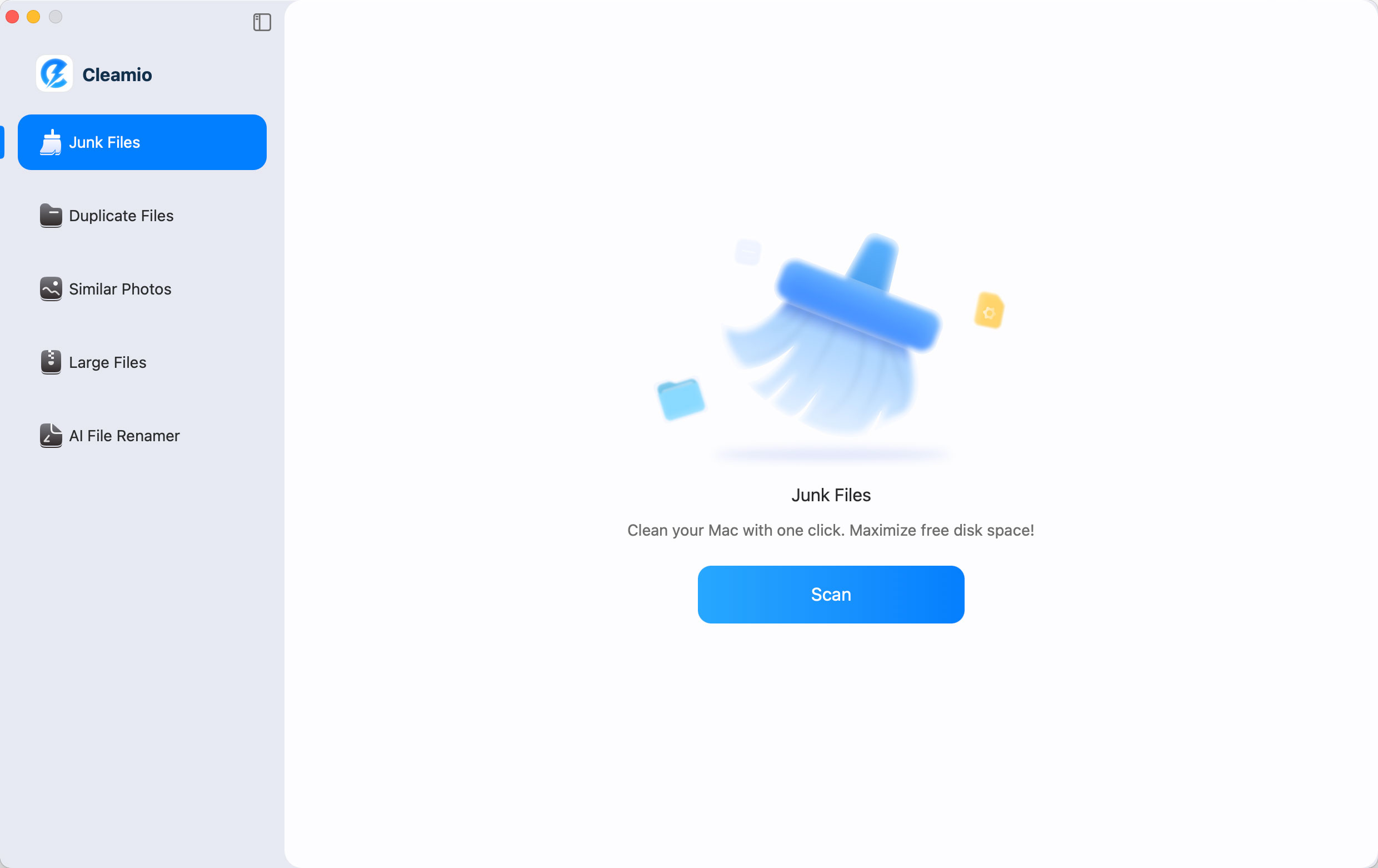
Open Tenorshare Cleamio on your Mac. Select the "Junk Files" tab from the
left sidebar and click the large "Scan" button.
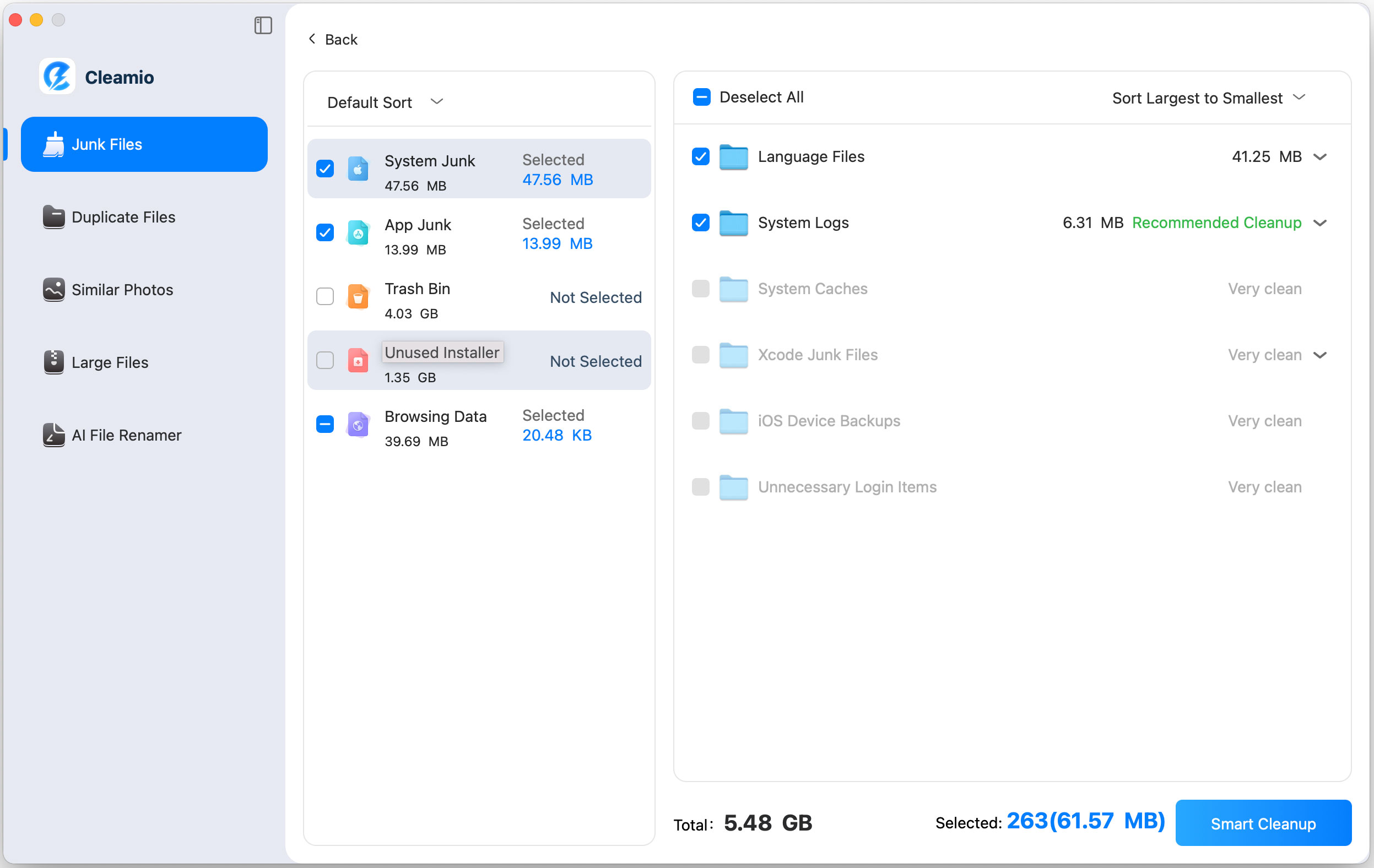
Wait a few seconds for the AI to detect system junk, caches, and leftover
installers. You will see a breakdown of all detected junk categories.
Review the items selected by the software. Click the "Smart Cleanup"
button to safely remove the selected files.
Once the process is finished, Cleamio will show you exactly how much space
was recovered. Click "OK" to return to the dashboard.
Comparison Table: Detailed Overview of Alternatives
Please swipe to view
Alternative
Main Strengths
Best Use Case
path finder
dual-pane, terminal, customization
power users and sysadmins
forklift
ftp/sftp support, speed
web developers and remote workers
command one
keyboard-centric, classic ui
users switching from windows/total commander
cleamio
junk cleaning, ai optimization
speeding up slow macs and freeing space
Part 5. Bonus: Connect Cloud Drives to Mac File Explorer
Modern workflows require cloud integration. You can easily add your cloud
storage directly to your sidebar.
1. Add Google Drive to Finder on Mac
Integrating Google Drive lets you access your "My Drive" and "Shared Drives"
as if they were local disks.
Steps: Steps:
Visit the Google Drive website & download "Google Drive for Desktop."
Open the app and log in with your Google account.
Select "Stream files" (recommended to save space) or "Mirror files" (for
offline access to everything).
Open Finder. You will now see "Google Drive" listed under Locations in the
sidebar.
2. Add OneDrive to Finder on Mac
Microsoft OneDrive is essential for Microsoft 365 users and integrates
seamlessly with macOS.
Download Microsoft OneDrive from the Mac App Store or the Microsoft
website.
Launch the app and "log in" with your Microsoft or work account.
Choose your "OneDrive folder" location on your Mac.
Ensure "Files On-Demand" is turned on. This lets you see all your files in
Finder without them taking up physical space on your drive until you need
them.
Look for the "OneDrive" folder in your Finder sidebar under "Location."
3. Add SharePoint to Finder on Mac
SharePoint folders can be synced to your Mac using the OneDrive sync engine,
making team collaboration much faster.
Steps:
Ensure the OneDrive app is installed and signed in.
Open your SharePoint site in Safari or Chrome.
Click the "Sync" button at the top of the file list.
A prompt will ask to open OneDrive. Click "Allow."
These files will appear in a separate folder in your Finder sidebar,
usually named after your Organization.
People Also Ask about Mac File Explorer
Q1: How do I change Roblox FPS on File Explorer Mac?
Roblox FPS is primarily changed via in-game settings or third-party
unlockers. However, to access the local data files in Finder, go to the "Go"
menu, hold the Option key, select Library, and then navigate to Application
Support/Roblox. Here you can find log files and configuration folders.
Q2: What is the best Android file explorer for Mac?
The best Android file explorer for Mac is OpenMTP. While Google offers an
official "Android File Transfer" app, it is often buggy. OpenMTP provides a
modern, fast, and stable dual-pane interface that makes transferring photos
and music to your Android device simple and reliable.
Q3: Is there a file explorer on Mac?
Yes, it is called Finder. It is the default application for managing all
your files and folders.
Conclusion
In summary, mastering the file explorer on Mac is the first
step toward becoming a macOS power user. Finder serves as the default
solution, offering powerful features once you get familiar with it. However,
if your goal is better performance and cleaner storage,
Tenorshare Cleamio stands out. It helps remove junk files,
optimize your system, and keep your Mac running efficiently, making it a
valuable companion alongside Finder.






 iOS Tips & Latest Updates
 Bug Fixes, Unlock Guides
 Giveaways & Freebies





By Jenefey Aaron
2026-10-14 / Mac Optimization