



Cleamio: All-in-One Mac Cleaner & Optimizer
Clean junk files, free up space, and boost Mac performance
No.1 Mac Cleaner & Optimizer
Clean, speed up, and optimize your Mac
Apps crashing, Bluetooth dropping, Safari freezing, settings resetting after every reboot, and if restarting your Mac didn't fix it, a corrupted Plist file is almost always the cause. The fix is almost always the same: delete the Plist files tied to the misbehaving app or service. It is safe to do that. User-level files live in ~/Library/Preferences/, and macOS rebuilds them automatically the next time the app launches, just avoid /System/Library/.
Below, you'll find three manual methods to safely remove .plist files from Mac via Finder, Terminal, and force-delete, plus a one-click option that picks safe files for you.

Before you start deleting anything, it’s important to understand what is a Plist file and why it exists on macOS.
A Plist file (Property List file) is a configuration file used by macOS and applications to store settings and preferences. These files contain structured data such as app configurations, user preferences, system settings, and cached behaviors. They help apps remember things like window layouts, login states, and user customizations.
Plist files are stored in several key locations on macOS:
Each location serves a different purpose, and not all Plist files should be modified or deleted.
Plist files can become corrupted for several reasons:
When a Plist file is corrupted, it can cause apps to crash, settings to reset repeatedly, or features to stop working properly.
Yes, it is generally safe to delete Plist files on Mac, especially when troubleshooting app-related issues. When you delete a Plist file, macOS or the associated app usually recreates a new one automatically.
However, deleting critical system Plist files can cause system instability, so caution is necessary.
 Please swipe to view
When you delete Plist files, the system or application will regenerate them with default settings. This means:
This is why deleting Plist files is a common troubleshooting step.
You should consider deleting Plist files on Mac in the following situations:
Use this table to find the exact Plist file linked to your problem. Each path can be deleted directly in Finder or Terminal. macOS will rebuild it automatically on the next app launch or system restart.
Please swipe to view

A leading ~ means user-level (safe to delete); paths starting with /Library/ are system-wide and require admin password via sudo.
Here are the 3 manual ways for easily deleting these stubborn files on your Mac.
This is the easiest way to delete Plist files for beginners. Using Finder allows you to locate and remove Plist files without using commands or advanced tools. It’s safe, visual, and ideal for deleting app-specific files. This method is recommended when you know which Plist file is causing issues and want a simple solution.

Terminal provides a faster and more direct way to delete Plist files on a Mac, especially when handling multiple files. It’s useful for advanced users who want precise control. However, caution is required because incorrect commands may delete important system files. This method is best for targeted file removal.

Sometimes you may encounter a stubborn Plist file error where the file cannot be removed. This happens due to permissions or system locks. In such cases, force deletion using Terminal or Safe Mode is required. This method ensures that the file is removed completely when normal deletion fails.

If you’re unsure which Plist files are safe to remove, manual deletion can be risky. Deleting the wrong file may affect system stability or app functionality.
The safest and easiest way to remove Plist files from Mac is by using a smart tool like Tenorshare Cleamio. It automatically scans your Mac, identifies unnecessary or corrupted Plist files, and clearly shows which ones are safe to delete. This eliminates guesswork and prevents accidental system damage.
Tenorshare Cleamio scans all four standard Plist locations (~/Library/Preferences/, /Library/Preferences/, ~/Library/ByHost/, and /Library/Containers/) in under 30 seconds and flags every file as Safe to Delete or Keep based on its source app and modification status.
The tool supports macOS Big Sur 11 through macOS Sequoia 15, runs natively on both Apple Silicon and Intel Macs, and protects /System/Library/ from accidental deletion.
Beyond Plist files, it also clears app caches, log files, and leftover data from uninstalled applications, typically reclaiming several gigabytes of disk space on a Mac that has not been cleaned in 6–12 months.
By thoroughly cleaning these clutter elements, Cleamio helps improve overall Mac performance and enhances system stability.
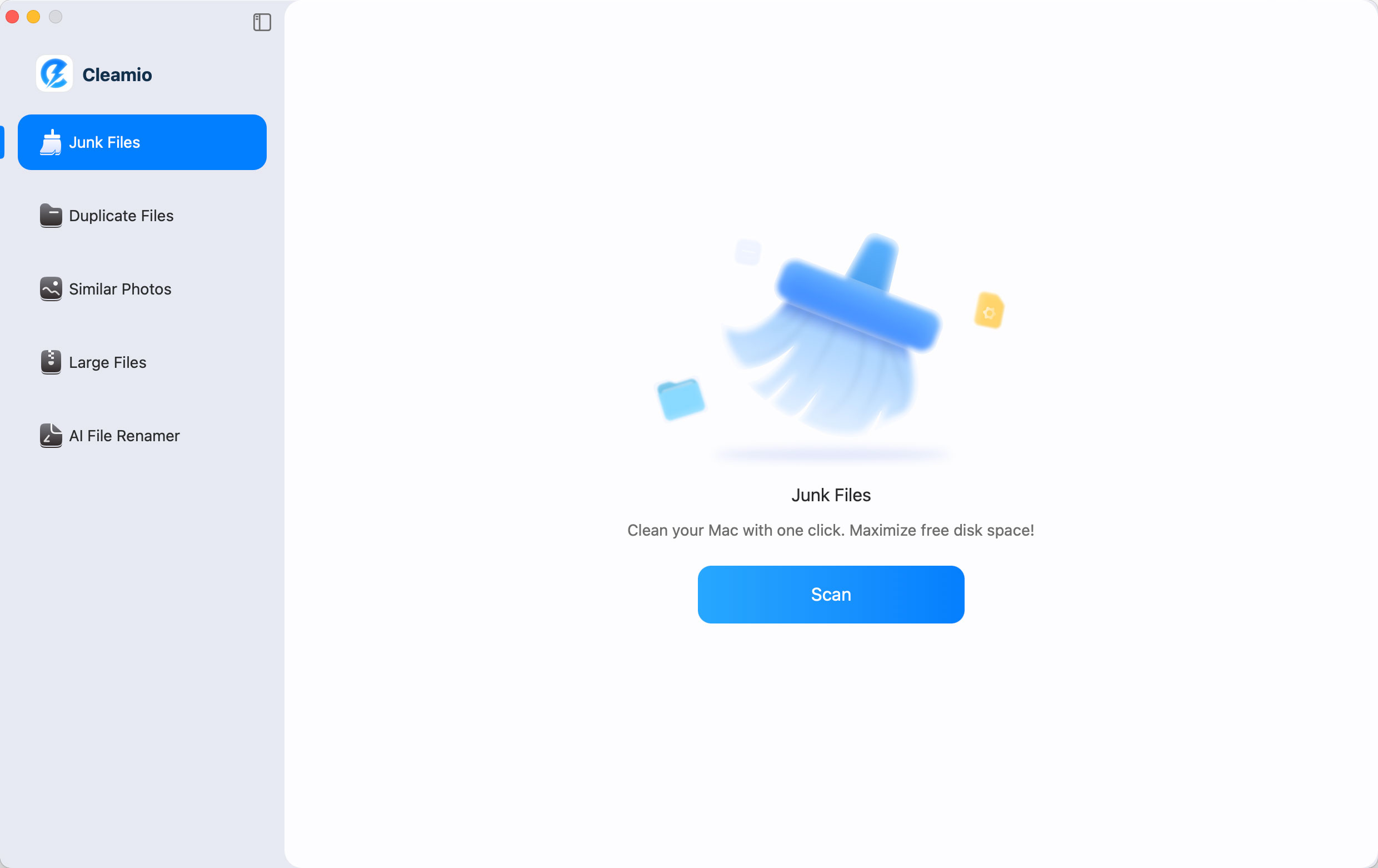
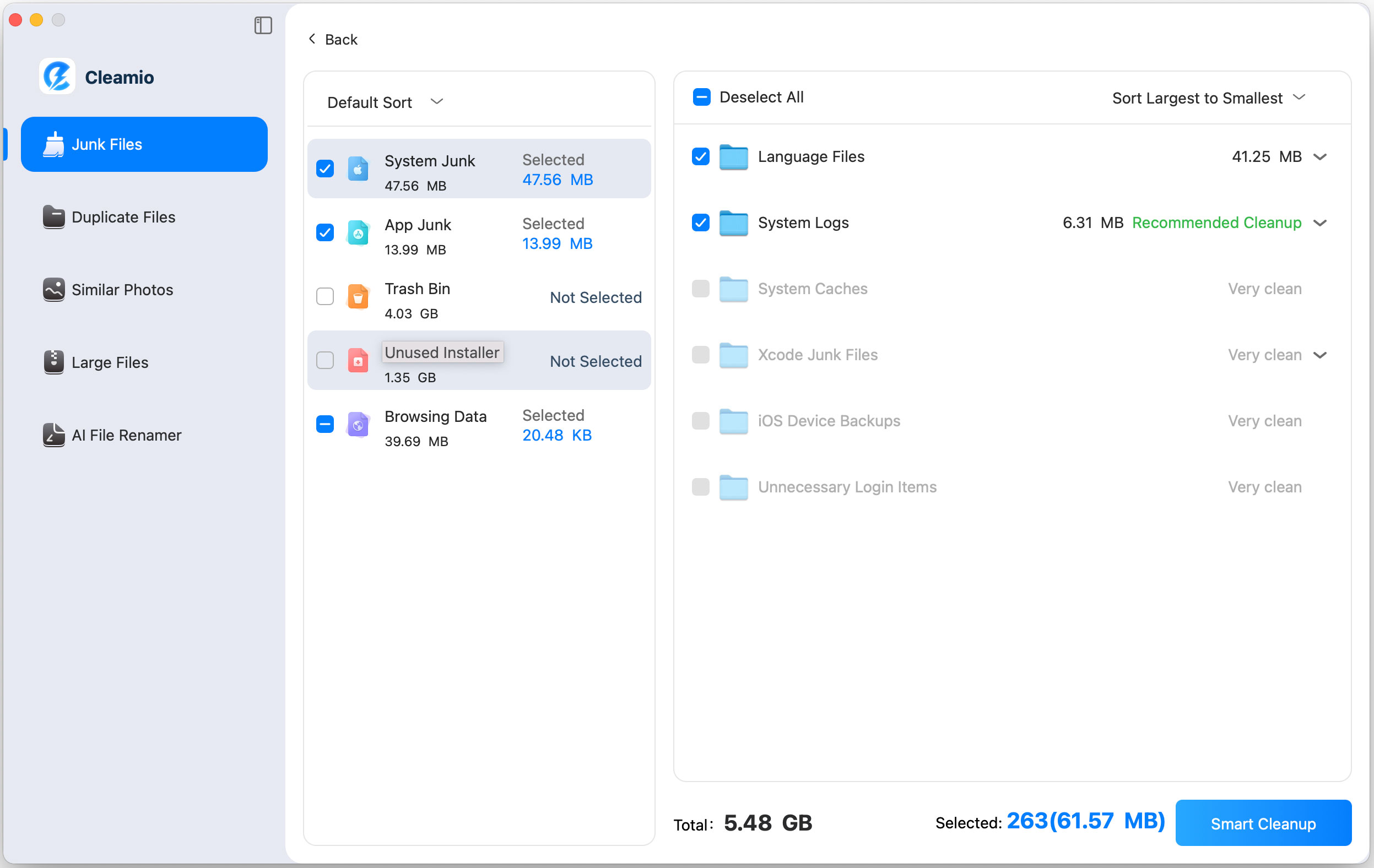
If you wanna to delete leftover plist files from uninstalled app, go to Cleamio’s “Apple Management” > “Residual Files”. Select and expand the specific app folders, tick its .plist files and click “Clean”.

If you want to delete specific Plist files on your Mac, here are the 4 methods you must try.
If Safari is crashing or not loading properly, you can delete Safari Plist files to reset browser settings. This clears corrupted preferences and restores default configurations. Using Finder is the simplest method, but tools like Cleamio can safely automate the process without manually searching for files.

Bluetooth issues like connection drops can often be fixed by performing a delete Bluetooth plist Mac process. Removing these files resets Bluetooth settings and resolves pairing problems. This method is commonly used when devices fail to connect or behave inconsistently.

If iCloud syncing is not working properly, removing related Plist files can help reset configurations. It clears outdated or corrupted sync data. It’s recommended to sign out of iCloud before deletion to avoid syncing conflicts and ensure a clean reset.

Network issues like slow Wi-Fi or connection drops can often be resolved by deleting network-related Plist files. It resets saved network settings and forces macOS to create fresh configurations. It’s an effective troubleshooting step for persistent connectivity problems.

The file is either locked by a running process or protected by macOS System Integrity Protection (SIP). Try this in order:
Yes. macOS’s built-in uninstaller (drag to Trash) leaves Plist files behind in ~/Library/Preferences/ and ~/Library/Application Support/. Delete files matching the app’s bundle identifier (e.g. com.spotify.client.plist after uninstalling Spotify) to free disk space and prevent old preferences from interfering with reinstalls. Never touch files in /System/Library/.
No. A typical Mac has 500–2,000 Plist files, and many control core system services such as networking, login, Wi-Fi, and Time Machine. Deleting them all will cause boot failures, lost network settings, and broken sign-in keychains. Only delete app-specific files in ~/Library/Preferences/ that match a specific misbehaving app, and never touch /System/Library/.
Open Terminal (Applications > Utilities > Terminal) and run sudo rm -rf /full/path/to/file, then enter your admin password. Example: sudo rm -rf ~/Library/Preferences/com.apple.Bluetooth.plist.

rm -rf deletes permanently and bypasses the Trash, so double-check the path before pressing Enter.
Sometimes, but not directly. Plist files themselves are tiny (usually 1–50 KB each), so deleting them won’t free meaningful disk space or boost CPU performance. The real speed gain comes when a corrupted Plist file was forcing an app to retry failed operations or crash on launch. Deleting that file removes the bottleneck. For overall performance, free up at least 10–15 % of your startup disk and close unused login items in System Settings > General > Login Items.
Learning how to delete Plist files on Mac can help fix app errors, reset settings, and improve system stability. While manual methods work, they can be risky if you’re unsure which files to remove. For a safer and easier solution, tools like Tenorshare Cleamio allow you to clean Plist files intelligently and avoid mistakes.
then write your review
Leave a Comment
Create your review for Tenorshare articles
 Cleamio
All-in-One Mac Cleaner & Optimizer
Share this post


Cleamio: All-in-One Mac Cleaner & Optimizer
Clean junk files, free up space, and boost Mac performance
No.1 Mac Cleaner & Optimizer
Clean, speed up, and optimize your Mac
By Jenefey Aaron
2026-09-15 / Mac Cleanup