


 iOS Tips & Latest Updates
 Bug Fixes, Unlock Guides
 Giveaways & Freebies

Cleamio: All-in-One Mac Cleaner & Optimizer
Clean junk files, free up space, and boost Mac performance
No.1 Mac Cleaner & Optimizer
Clean, speed up, and optimize your Mac
Most JSON files are safe to delete, but Google Takeout JSON files and project-level JSON files (launch.json, package.json, tsconfig.json) are not. Deleting Google Takeout JSON files before merging them into your photos will permanently strip the original date, GPS location and captions from every image.
This guide shows which JSON files are safe to remove, which are not, and exactly how to delete JSON Files on Windows, Mac, and inside Google Takeout exports.

A JSON file (JavaScript Object Notation) is a lightweight plain-text data file in JavaScript Object Notation format, used to store structured data: settings, metadata, configuration, or backup data. The JSON file does not contain images, video, or executable code; it describes other files or app behavior. It’s widely used by apps, websites, and services to organize information in a readable and transferable format.
If you have suddenly noticed dozens or hundreds of .json files on your device, they almost always come from one of four sources:
Do not bulk-delete Google Takeout JSON files before merging them into your photos. Google Photos stores the date taken, GPS location, and description in these JSON sidecars, may not be in the photo's EXIF itself. If you delete the JSON files first, your photos will permanently show the export date as their date taken, with no location data.

Google quietly renamed Takeout sidecar files from IMG_1234.jpg.json to IMG_1234.jpg.supplemental-metadata.json. Filenames around 46 characters get truncated, so you may also see variants like .supplemental-metad.json or .supplemental-m.json. They all contain the same metadata. Exports created now may use either naming scheme, sometimes both in the same archive.
Google stores your photo's date taken, GPS location, and description in the JSON file, not in the photo itself. Merging copies that information from the JSON into the photo's built-in EXIF data, so the photo carries its own metadata after the JSON is deleted.


Once verified, follow the direct-delete steps below to remove the JSON file.
If you downloaded your photos via Google Takeout, JSON files are simply metadata companions and not required for viewing images. You can safely delete JSON files to clean up your storage without knowing how to open .json files. Using built-in tools like File Explorer (Windows) or Finder (Mac) makes this process quick and safe without affecting your actual photos.
Delete Google Photos JSON Files on Windows in File Explorer
Clear Google Photos JSON Files on Mac in Finder
Do not type "json" into Finder's plain search bar, it treats the word as a content keyword and returns .js files and any document mentioning "json". Use the File extension filter instead:

Use these methods to delete all JSON files in any folder outside Google Takeout: app caches, old project folders, data dumps, and so on.

Launch.json lives in a hidden folder named .vscode at the root of your project. Deleting it removes your debug configurations only, it does not affect your source code, settings.json, or extensions. VS Code will offer to regenerate it the next time you open the Run and Debug view.
Steps:If the .vscode folder is hidden in your file manager, on Windows enable "Hidden items" in File Explorer's View tab; on macOS press Cmd + Shift + . in Finder.
If you want a safer and smarter way to delete JSON files, tools like Tenorshare Cleamio are highly recommended. It scans your Mac for junk files, including JSON files, and identifies which are safe to remove. This eliminates the risk of accidentally deleting critical configuration files.
Tenorshare Cleamio is a powerful and user-friendly cleaning tool that automatically detects unnecessary JSON files while intelligently differentiating between safe and critical system files. With its efficient one-scan system, it can clean multiple file types simultaneously, making system maintenance quick and hassle-free.
Designed with a beginner-friendly interface, it allows users to complete the entire cleanup process with just a single click.
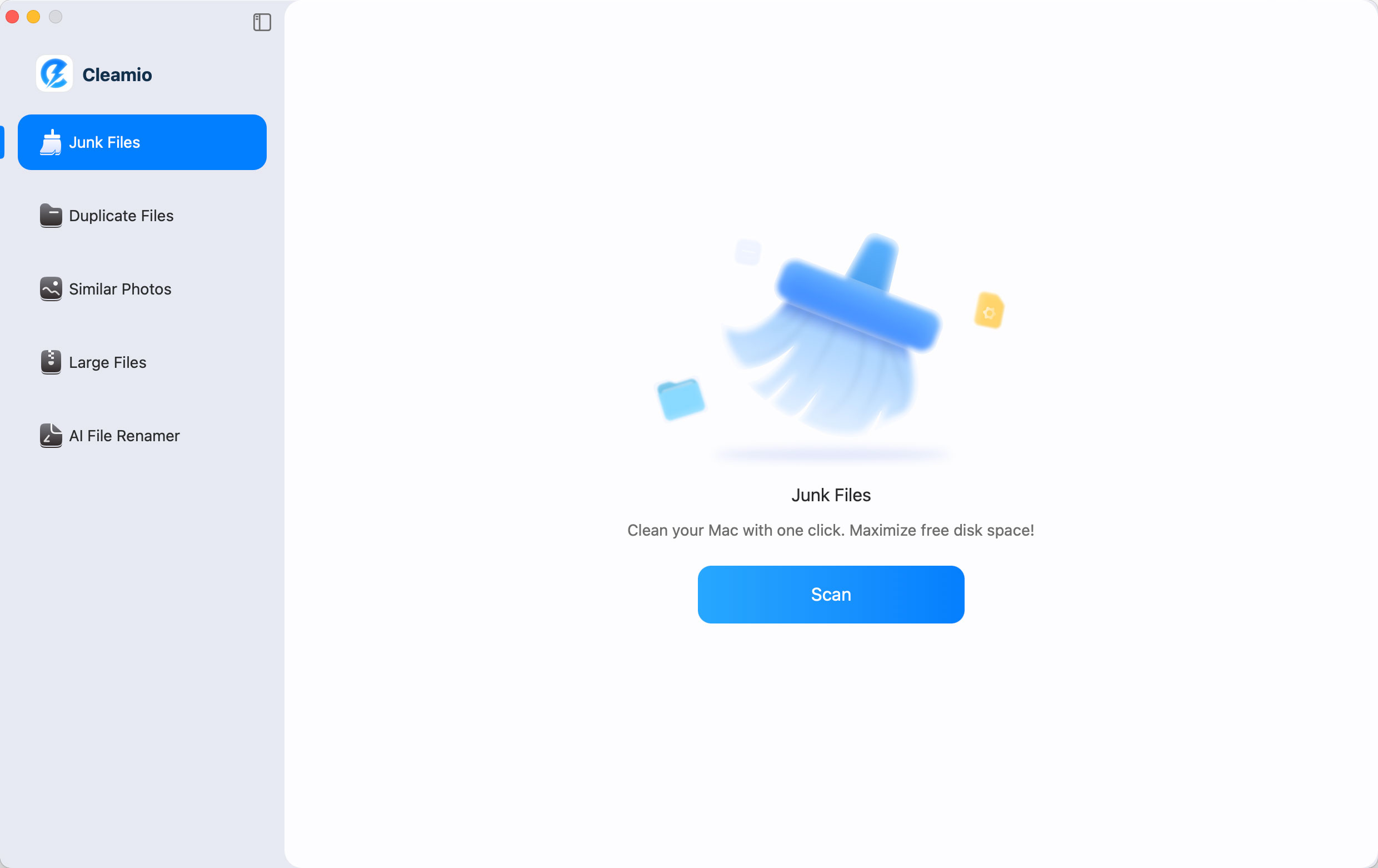
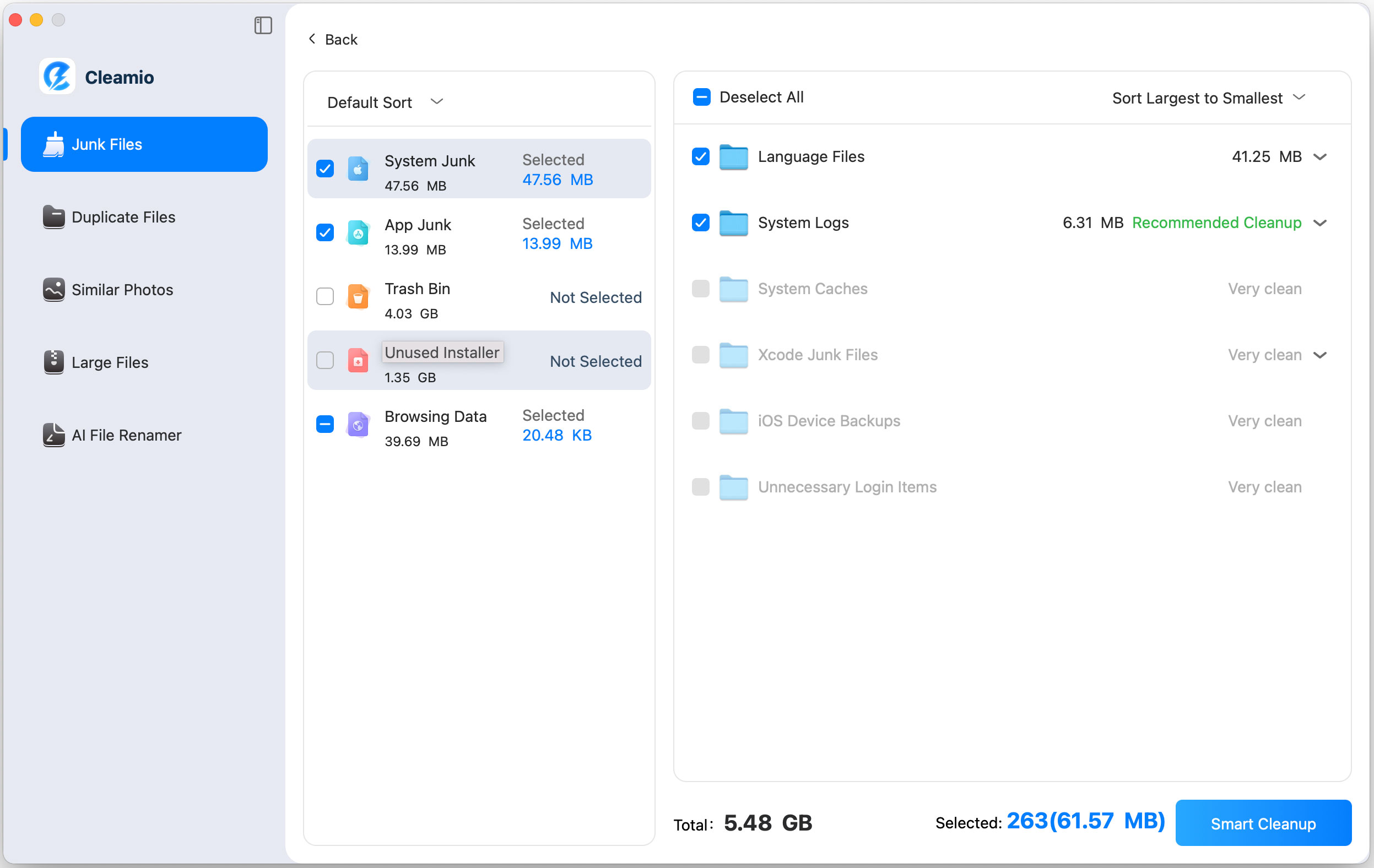
Once the cleanup is complete, click "OK," and you have successfully deleted all the JSON files.
Sometimes you cannot delete a JSON file and get the error “Access Denied” due to user permission restrictions.That means, The file is open in another process, owned by a different user, or marked read-only. This section helps fix such issues with locked files.
If you can’t delete JSON files due to “Access Denied” errors, it’s usually because the file is in use or restricted by permissions. Running File Explorer as administrator or closing related programs can resolve this issue quickly and allow a safe experience to clear JSON files.

On macOS, locked JSON files may require permission changes before deletion. You can adjust file access or use Terminal for force removal. This method ensures you regain control over stubborn files without damaging your system.


Yes, it is generally safe to delete JSON files, especially if they are metadata or temporary files. However, you should be cautious with system or app-related JSON files because they may be required for software functionality.
Deleting Google Takeout JSON files removes stored data or metadata associated with apps or files. In most cases, nothing critical happens, but some applications may reset settings or lose saved configurations.
 Please swipe to view
Only after you have merged the metadata into your photos. The JSON files contain the original date taken, GPS coordinates, and any captions you added, none of which are written into the photo file itself. Run exiftool or Metadata Fixer first, verify the dates are correct, then delete.
Yes, you can delete JSON files from Google Photos on Mac using Finder, Terminal, or cleanup tools. It’s important to identify whether the file is system-related before deleting it to avoid disrupting app functionality.
Yes, but only after merging. These are the renamed (late-2024) Google Takeout sidecars; they contain exactly the same data as the older .json files. The same merge-first rule applies.
You can delete all JSON files using Command Prompt by navigating to the folder and running del .json. This removes all JSON files instantly. Always double-check the folder path before executing the command.
It depends on the context. JSON files used by apps or development environments are important, while metadata files from exports or logs are usually unnecessary. Always review their purpose before deleting them.
This usually happens because the file is in use, locked, or requires administrator permissions. Closing related applications or adjusting file permissions typically resolves the issue.
You can manage JSON data using text editors, development tools, or cleanup software. Organizing files into folders and removing unnecessary JSON files regularly helps maintain a clean and efficient system.
No. launch.json controls only how VS Code launches your debugger. Your code, dependencies, and settings.json are unaffected. VS Code will offer to recreate launch.json the next time you start a debug session.
Learning how to delete JSON files safely helps you clean up unnecessary clutter without risking important data. Whether you’re removing Google Takeout metadata or clearing system junk, the right method matters. For a faster and safer experience, especially on Mac, Tenorshare Cleamio offers an intelligent, one-click solution to identify and remove unnecessary JSON files effortlessly.


then write your review
Leave a Comment
Create your review for Tenorshare articles
 Cleamio
All-in-One Mac Cleaner & Optimizer
Share this post


Cleamio: All-in-One Mac Cleaner & Optimizer
Clean junk files, free up space, and boost Mac performance
No.1 Mac Cleaner & Optimizer
Clean, speed up, and optimize your Mac
By Jenefey Aaron
2026-09-28 / Mac Cleanup