


 iOS Tips & Latest Updates
 Bug Fixes, Unlock Guides
 Giveaways & Freebies
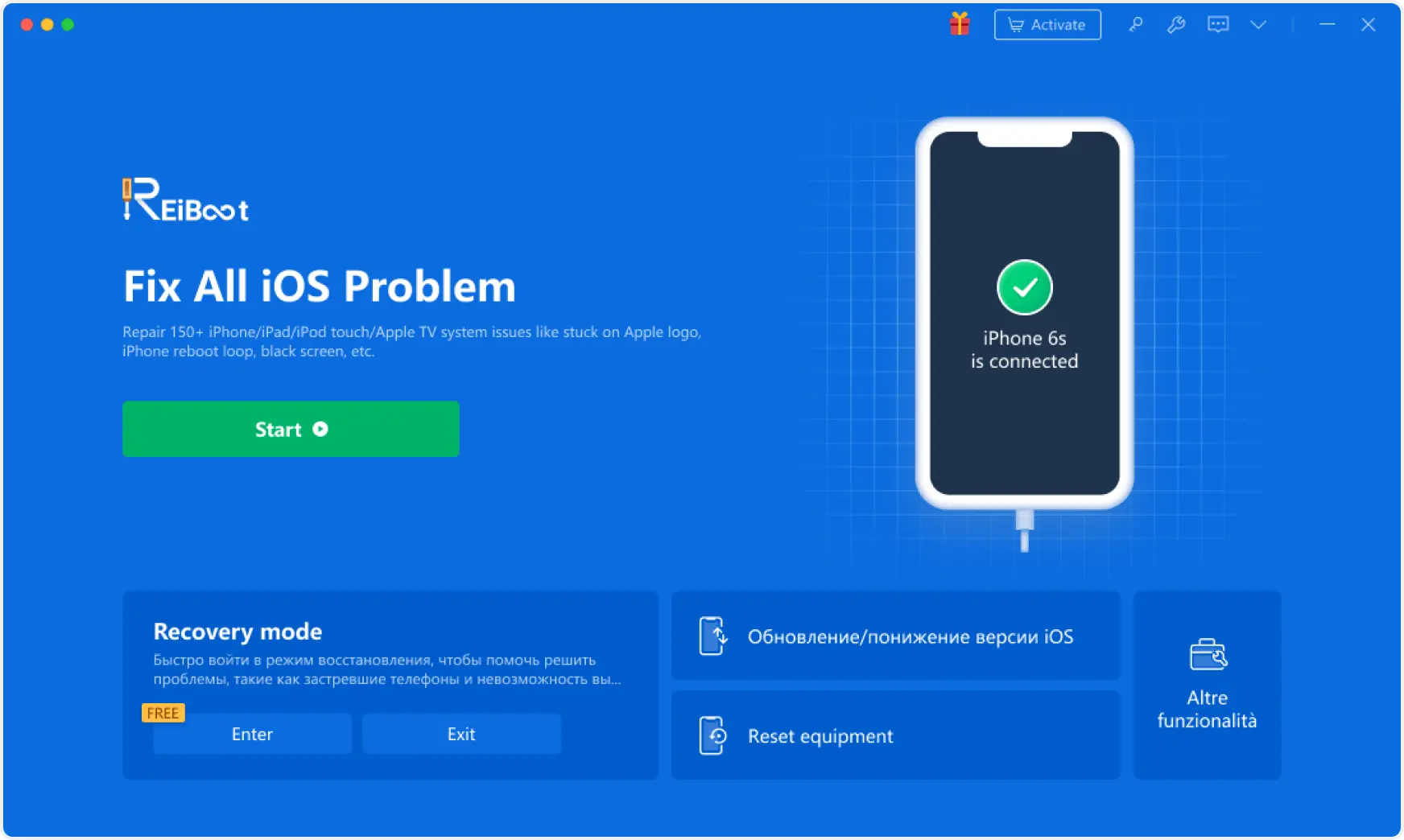

ReiBoot - No.1 Free iOS System Repair Software
Fix 150+ iOS Issues without Data Loss & Safely iOS 27 Upgrade/Downgrade
ReiBoot: No.1 iOS Repair Tool
Fix 150+ iOS Issues, No Data Loss
Auto-Rotate Not Working on iOS 27 usually comes down to one of five causes: a locked orientation, an app that doesn't support landscape, a temporary software glitch, a Display Zoom setting, or a motion-sensor issue. Work through the checklist below in order --- most cases are fixed within the first three steps.
This guide covers each fix in detail, then explains what to do if iPhone screen doesn't rotate even after the free methods.

When you ask why won't my screen rotate on my iPhone, first check whether the issue affects one app or the entire device. This simple test helps you find the cause without changing unnecessary settings.
Once you know which cause fits your situation, jump to the matching fix below.
Start with the simplest fix first, then work down the list --- no need to jump straight to advanced repair. Test screen rotation after each method before moving to the next.
Portrait Orientation Lock prevents your iPhone from changing between portrait and landscape when you turn the device. If the lock is active, turning your iPhone sideways will not rotate the screen.
To turn off Portrait Orientation Lock:

Now open Safari and check whether the page changes to landscape mode. If it does, the rotation feature works normally and the orientation lock caused the problem.
If turning off the lock does not fix the problem, use Safari as a quick diagnostic test. Safari supports landscape mode on compatible iPhone models, so it can help you determine whether the problem affects the whole system or only one app.
Test rotation in Safari:

If Safari rotates normally, your iPhone's screen rotation is likely working. The problem may affect only the original app, especially if that app does not support landscape mode. If Safari also stays in portrait mode, the problem is more likely system-wide. Continue with the next fixes instead of reinstalling a single app.
A temporary iOS software issue can sometimes stop screen rotation from responding correctly. Restarting your iPhone closes active processes and starts the system again, which can clear a minor software problem.
To restart your iPhone:

If Safari rotates after the restart, a temporary software issue likely caused the problem. If the screen still stays in portrait mode, continue to the next method.
Display Zoom changes the size and layout of content on your iPhone. Depending on the iPhone model and software settings, the selected display mode can affect how certain screens behave.
Check Display Zoom with these steps:

After changing the setting, open Safari and test the screen again. If the issue only affected a particular screen or app, compare its behavior before and after changing Display Zoom.
Updates can fix software problems, but you should decide whether to update iOS or only the affected app based on where the rotation problem occurs.
If Safari and several other supported apps remain in portrait mode, check for an iOS update. A system update can include fixes for problems that affect multiple apps.
Update iOS:

If only one app refuses to rotate while Safari works normally, update that specific app instead.
Update the affected app:

This distinction can save you unnecessary troubleshooting. A system-wide rotation problem points toward iOS settings or software, while an issue limited to one app usually needs an app-level fix.
Your iPhone detects its position through built-in motion sensors. Instead of simply checking whether the gyroscope works, you can use the Level feature in the Measure app as a practical test.
Test the motion response:

If the Level display responds as you move the iPhone, the motion sensors are detecting changes in position. This makes a basic sensor failure less likely, so continue checking iOS settings and software.
If the Level display does not respond normally and several supported apps also refuse to rotate, the problem may involve the motion-sensing hardware or a deeper iOS issue. In that case, consider Apple Support or an iOS repair option after completing the remaining software fix.
If the previous methods do not fix the rotation problem, try Reset All Settings. This option can remove a problematic system setting without performing a full factory reset.
However, Reset All Settings is not the same as Erase All Content and Settings. Reset All Settings returns system preferences to their defaults. It does not intentionally erase your photos, messages, apps, or other personal files. You will need to set some preferences again, such as Wi-Fi and other system settings.
To reset all settings:

Because this method changes several system preferences, use it after trying the simpler fixes. If the iPhone still stays in portrait mode across supported apps after the reset, you can move to deeper iOS system troubleshooting rather than repeatedly changing individual settings.
If the free fixes fail, do not jump directly to a factory reset. A factory reset erases personal data and requires you to restore the device. A system repair tool can provide another step for software-related problems.
Tenorshare ReiBoot's Standard Repair addresses common iOS system issues — such as a stuck Auto-Rotate setting, frozen screens, or settings that stop responding — without erasing your data. ReiBoot supports iOS/iPadOS 27 and earlier versions, and fixes more than 150 iOS issues. A separate Permanent Data Erase tool exists for wiping a device before resale; it isn't part of the Standard Repair process described here.






If iPhone screen doesn't rotate after Standard Repair, repeat the Level test and consider Apple Support, especially if the phone has physical damage. Avoid deeper repair modes unless you understand their data-loss implications.
When iPhone won't rotate and lock is off, the failure pattern tells you which troubleshooting path to follow.
If Safari rotates normally, the iPhone's basic rotation function likely works. Check the affected app, update it, close and reopen it, and confirm that its current screen supports landscape. This case usually does not require a system reset. The app may simply limit its interface to portrait mode.
If Safari and other supported apps stay vertical, move to system-level troubleshooting. Confirm the lock is off, restart the phone, check Display Zoom, install updates, test Measure > Level, and consider Reset All Settings. This sequence addresses the common causes of Auto-Rotate Not Working on iOS 27 without immediately erasing the iPhone.
Treat the timing as a clue rather than proof of a confirmed bug. Restart the phone and check for another available update. If iOS 27 screen rotation not working affects multiple supported apps after the update, system repair becomes reasonable after the free methods fail.
If Measure > Level does not respond normally and the phone will not rotate in supported apps, sensor trouble becomes more likely. Remove a thick case or accessory and test again.
If the Level test remains abnormal, contact Apple Support or an authorized service provider. Apple also provides support-based diagnostic options for supported iPhone issues.
Check Portrait Orientation Lock first. If it is off, test Safari, restart the phone, check Display Zoom, and test Measure > Level. These steps cover common causes of Auto-Rotate Not Working on iOS 27.
A setting change, unsupported app, temporary iOS issue, or sensor problem can cause it. If iPhone screen doesn't rotate in several supported apps, follow the system-level fixes instead of focusing on one app.
On most recent iPhones, press and quickly release Volume Up, press and quickly release Volume Down, then press and hold the Side button until the Apple logo appears. A force restart normally does not erase personal data.
Apple provides support and diagnostic options for supported iPhone issues. You can use the Apple Support app where available or contact Apple Support. If why won't my screen rotate on my iPhone remains unresolved and Level also fails, explain that multiple supported apps cannot rotate.
Check the lock, test Safari, restart the iPhone, check Display Zoom, update iOS and apps, and test Level. If iPhone won't rotate and lock is off across supported apps, continue with system-level troubleshooting.
The lock may be active, the app may not support landscape, or iOS may have a temporary issue. If how to rotate screen on iPhone steps do not work, use Safari and Measure > Level to identify whether the issue is app-related, system-related, or sensor-related.
Auto-Rotate Not Working on iOS 27 is usually a quick fix --- most cases resolve after checking Portrait Orientation Lock, restarting, or updating iOS and apps. If the screen still won't rotate across supported apps, Reset All Settings is a safe next step before considering a factory reset. For a deeper software issue, Tenorshare ReiBoot's Standard Repair offers another no-data-loss option; if Level also fails or the phone shows physical damage, contact Apple Support instead.
The best approach is to match the fix to the symptom: Safari works, so investigate the app; no supported app works, so check the system; a failed sensor test points toward hardware support.

then write your review
Leave a Comment
Create your review for Tenorshare articles
Share this post


ReiBoot - No.1 Free iOS System Repair Software
Fix 150+ iOS Issues without Data Loss & Safely iOS 27 Upgrade/Downgrade
ReiBoot: No.1 iOS Repair Tool
Fix 150+ iOS Issues, No Data Loss
By Jenefey Aaron
2026-10-14 / iOS 27