


 iOS Tips & Latest Updates
 Bug Fixes, Unlock Guides
 Giveaways & Freebies

UltData - Best iPhone Data Recovery Tool
Recover Deleted & Lost Data from iOS Devices Easily, No Backup Needed!
UltData: Best iPhone Recovery Tool
Recover Lost iPhone Data without Backup
Losing important iPhone data can be frustrating, especially when you do not know where the missing information was stored. If you want to restore data from iCloud, the right method depends on whether your data was synced with iCloud or included in an iCloud Backup.
In this guide, we will explain how iCloud stores different types of data, how to identify the right recovery source, and what options are available to help you recover your lost iPhone data.
Losing important iPhone data can be frustrating, but the right iCloud data recovery method depends on where your data was stored.
Before learning how to restore data from iCloud, it is important to know that iCloud uses different storage methods, including iCloud Sync and iCloud Backup. Understanding the difference helps you choose the right recovery method and avoid restoring the wrong source.
Some iPhone data is stored through iCloud Sync, which keeps information updated across your Apple devices in real time. This type of data is directly stored in iCloud and usually does not depend on iCloud Backup for recovery.
Common iCloud Sync data includes:
If the related iCloud Sync feature was enabled:
For example, if you accidentally delete synced photos, contacts, or notes, the recovery process may be different from restoring an entire iCloud Backup. Checking whether the data was synced first helps determine the best way to retrieve data from iCloud.

Other types of iPhone data are stored through iCloud Backup, which creates a snapshot of your device information at a specific point in time. If iCloud Backup was enabled before your data was lost, your information may still be available in a previous backup.
iCloud Backup may include:
Unlike iCloud Sync, an iCloud Backup does not continuously update individual files. Instead, it saves device data based on the backup schedule. Therefore, when you want to restore from iCloud, checking the available backup date is an important step to confirm whether it contains the missing information.

Before choosing a method to restore data from iCloud, you need to know where your data was stored. iCloud Sync and iCloud Backup use different recovery methods, and restoring the wrong source may not bring back the files you need.
If you only need specific files from an iCloud Backup, a selective recovery method can offer more flexibility without replacing your current iPhone data. Understanding these differences helps you choose the right iCloud data recovery solution.
The biggest challenge with traditional iCloud restore methods is they require erasing your iPhone first, causing you to lose all current data. Fortunately, Tenorshare UltData iPhone Data Recovery offers a superior solution to restore data from iCloud without resetting your device.
UltData enables you to selectively recover specific files from iCloud backup while preserving all your current iPhone data. With over 5 million users worldwide and a 98% success rate, it's the most trusted method to recover iCloud data without factory reset.
Why Choose UltData to Restore Data from iCloud:
Follow these steps to recover your iCloud data without resetting your device. With UltData, you can choose between two recovery methods: recover data from your iCloud account or recover from an iCloud backup. The process usually takes around 10–15 minutes, allowing you to preview and selectively restore your lost data without overwriting your current iPhone data.




Download and Launch UltData
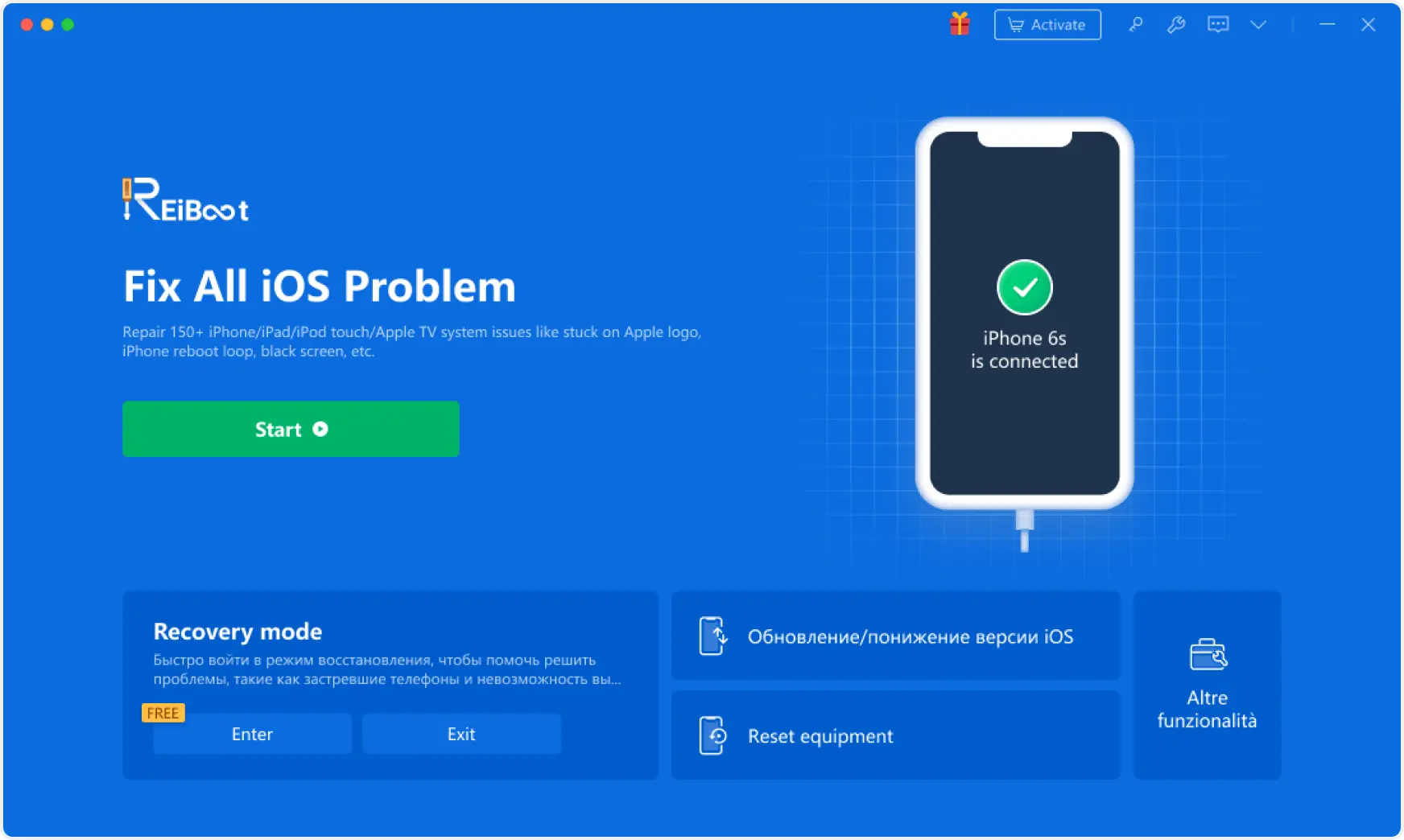
Download Tenorshare UltData from the official website and install it on your computer. Launch the program and click "Recover Data from iCloud". Connect your iPhone using a USB cable for faster data transfer.
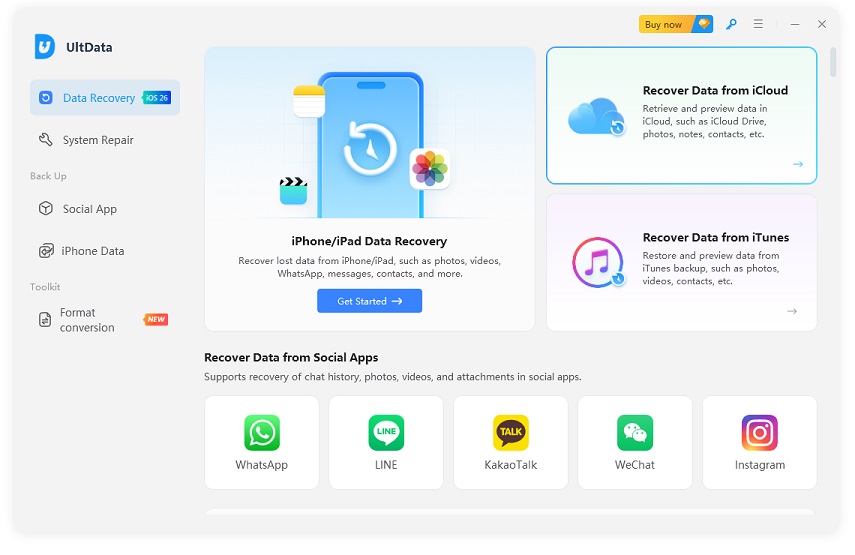
Sign In to Your iCloud Account
Enter your Apple ID and password to access your iCloud backup. UltData uses industry-standard encryption to protect your credentials - they're never stored or shared. If you have Two-Factor Authentication enabled, enter the verification code when prompted.
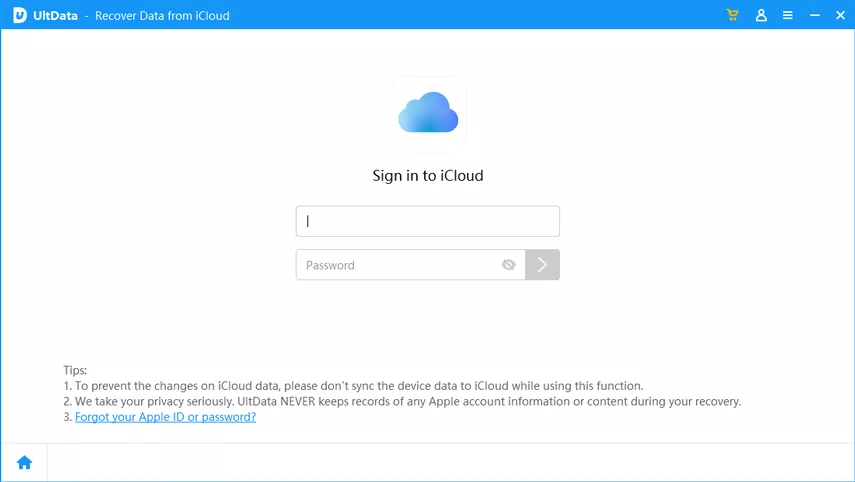
Select Data Types and Download
Choose the specific data types you want to recover (photos, messages, contacts, etc.) or select "All" to scan everything. Click "Download" to begin downloading your iCloud backup data. Download time varies based on backup size - typically 5-10 minutes for a 5GB backup.
Preview and Restore Selected Data
After downloading, UltData displays all recoverable files. Browse through categories, preview files to verify their content, then select the specific items you want to restore. Click "Recover to PC" to save files to your computer, or "Recover to Device" to restore directly to your iPhone.
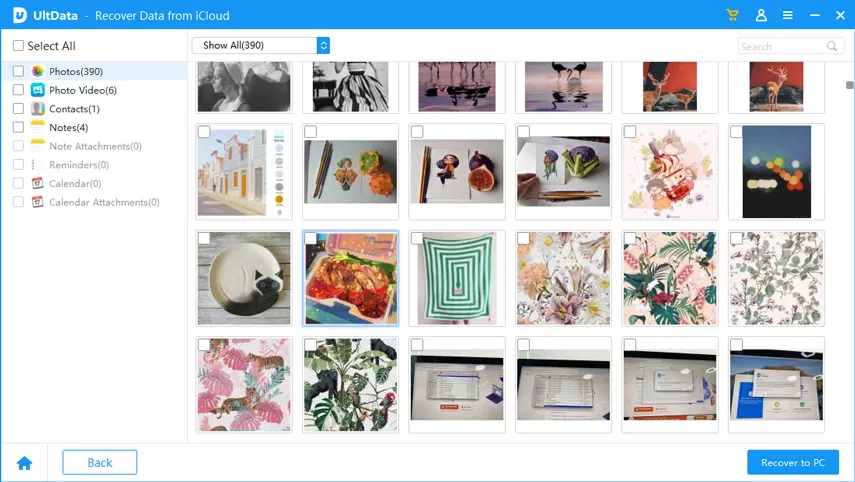
Another option is to recover data from an iCloud Backup. The process is also simple — just select your backup, scan the available data, preview the files, and recover the items you need without resetting your device.
Download and install Tenorshare UltData. Switch to "Recover Data from iCloud” . This function supports recovering data from iCloud backups you have already created.
If you have previously created an iCloud backup, select " iCloud Backup Data Recovery" to access your backup files. This option allows you to preview and recover data from existing iCloud backups without restoring your entire device.

Enter your Apple ID and password to securely log in to your account.

Browse the list of available iCloud backups, select the backup you want to download and scan, then click "Next" to continue.

Select the specific data types you want to recover (such as Photos, Videos, Messages, Contacts, Notes, and third-party app data), then click "Download" to continue.
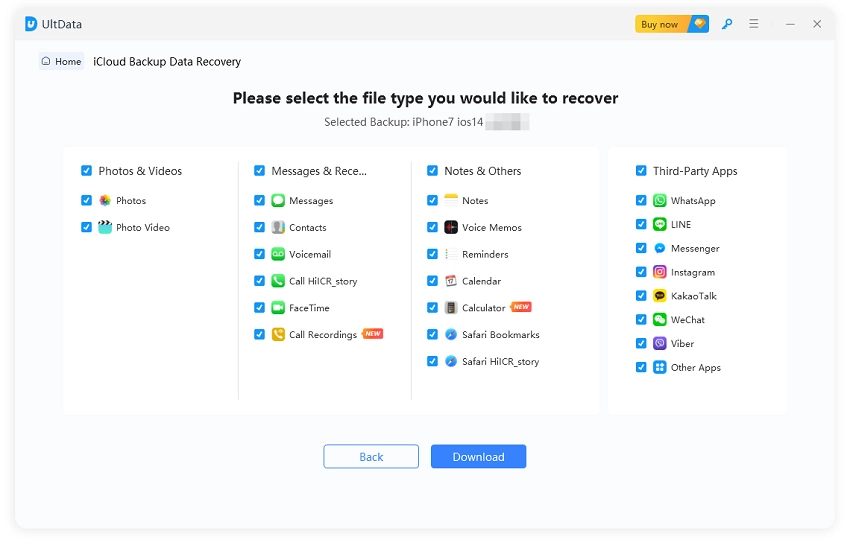
Once the scan is complete, preview the found data, select the items you want to recover, and click "Recover to PC" to save them to your computer.

After the recovery process is complete, the selected data will be saved to the local folder you choose. You can access and manage the recovered files directly from your computer.
That's it! Your iCloud data is now restored while all your current iPhone data remains safe and untouched.

Try it free: Download now to scan and preview your iCloud backup at no cost. Only pay if you decide to recover. 30-day money-back guarantee.
While Part 1's method is recommended for most users, some situations require using Apple's built-in iCloud restore features. This section covers traditional methods to restore from iCloud backup, along with important warnings about data loss.

Both traditional methods will ERASE ALL current data from your iPhone. Before proceeding:
This is Apple's official method to restore iPhone from iCloud backup. It's built into iOS but requires factory resetting your device first. Use this method when setting up a new iPhone or completely replacing your device.
What you'll need:
Steps to restore from iCloud backup:
Step 1: Erase All Content and Settings
Go to Settings > General > Transfer or Reset iPhone > Erase All Content and Settings. Enter your passcode and Apple ID password to confirm. This will delete all data from your iPhone.

Step 2: Set Up Your iPhone
After the erase completes, your iPhone will restart showing the "Hello" screen. Follow the setup prompts: select language, connect to Wi-Fi, and complete initial activation.
Step 3: Choose "Restore from iCloud Backup"
On the "Apps & Data" screen, select "Restore from iCloud Backup". Sign in with your Apple ID, then choose the backup you want to restore from the list. Select the most recent backup or an older one if needed.

Step 4: Wait for Restoration to Complete
The restore process begins - keep your iPhone connected to Wi-Fi and power. Restoration time varies:
Your iPhone will restart when complete. Apps will download automatically and data will continue syncing in the background.
If you only need to restore certain files from iCloud like photos, contacts, or calendars, use iCloud.com. This method is less invasive but has significant limitations compared to UltData.
Steps to restore from iCloud.com:
Step 1: Access iCloud.com
Open a web browser and go to iCloud.com. Sign in with your Apple ID and password. Enter the Two-Factor Authentication code if prompted.
Step 2: Navigate to the Data You Want to Restore
For photos: Click Photos > Recently Deleted. For contacts/calendars: Click Account Settings > Advanced section at the bottom.
Step 3: Restore Your Data
Select the items you want to restore and click "Recover" or "Restore". Data will sync to all devices signed in with your Apple ID.

Restoring data from iCloud doesn't have to be complicated or risky. As covered in this guide, you have multiple options depending on your needs:
We strongly recommend Tenorshare UltData for most users because it:
Join over 5 million satisfied users who have successfully recovered their iPhone data with UltData. Start your free trial today- only pay if you decide to recover. 30-day money-back guarantee included.
Don't let lost data cause stress. Take action now and learn how to recover deleted iCloud photos, restore messages, and get back other important files from your backup. Choose your method and get started today!
Yes! Using Tenorshare UltData, you can restore specific files from your iCloud backup without erasing your iPhone. This method allows you to:
Traditional Apple methods require factory reset (iPhone Settings) or have limitations (iCloud.com). UltData eliminates these risks. See detailed instructions in Part 2.
Time required depends on your method and backup size:
Factors affecting time: Wi-Fi speed, Apple server load, backup size, and number of apps/photos.
Yes, in many cases:
Best practice: Enable automatic iCloud backup and sync features (iCloud Photos, Contacts, Drive) to maximize recovery options.
Impact depends on your method:
Warning: Always back up current data before using iPhone Settings method.
Depends on your method:
Recommendation: Using a computer with UltData provides significantly better control, safety, and success rates.
Common causes and solutions:
Faster alternative: Use UltData for selective recovery - downloads only what you need in 10-20 minutes.
With UltData: Yes! You can selectively choose specific photos, messages, contacts, or any individual files to restore while leaving everything else untouched.
With iPhone Settings: No. Traditional iCloud restore is all-or-nothing - you must restore the entire backup.
With iCloud.com: Limited. You can restore certain file types (photos, contacts), but not individual items within contacts/calendars.
This is why UltData is recommended - it offers complete control over which data to restore.


then write your review
Leave a Comment
Create your review for Tenorshare articles
Share this post


UltData - Best iPhone Data Recovery Tool
Recover Deleted & Lost Data from iOS Devices Easily, No Backup Needed!
UltData: Best iPhone Recovery Tool
Recover Lost iPhone Data without Backup
By Jenefey Aaron
2026-09-28 / iCloud