

 iOS Tips & Latest Updates
 Bug Fixes, Unlock Guides
 Giveaways & Freebies
then write your review

ReiBoot - No.1 Free iOS System Repair Software
Fix 150+ iOS Issues without Data Loss & Safely iOS 27 Upgrade/Downgrade
ReiBoot: No.1 iOS Repair Tool
Fix 150+ iOS Issues, No Data Loss
Apple devices have a strong reputation for security. But that reputation also makes them a prime target for scammers. Every day, millions of iPhone and Mac users encounter alarming pop-ups, emails, and text messages claiming their device is infected or hacked. Is the Apple security warning real?
The short answer is almost always no. Most "Apple Security Warnings" you encounter while browsing the internet are fake. Scammers design them to look exactly like official Apple alerts. They use Apple's logo, colors, and language to make the threat feel real and urgent.
However, real Apple security threats do exist. Apple does send genuine security notifications under specific conditions. Here's everything you need to know.

The Apple Security Alert scam is a type of tech support fraud. Scammers create fake pop-up messages that copy Apple's official branding. These messages appear while you browse the internet and claim your iPhone or Mac has a serious problem.
The scam works in three steps.
Scammers have three main goals with these fake alerts.
The scam targets both iPhone users and Mac users. It appears on Safari, Chrome, and other browsers. The alert is not a real system message.

No. If a browser pop-up tells you "Your iPhone has been hacked" or "5 viruses detected on your device," it is fake. These messages are not real security warnings. They are scareware.
Here is the technical reason why. Websites do not have the ability to scan your iPhone or Mac at a deep system level. When you visit a webpage, that page can only access limited browser data. It cannot detect viruses, check your files, or monitor your system activity.
Apple has confirmed this publicly. The company does not send virus warnings through web browsers. Apple does not send unsolicited phone calls about security issues.
If you see a browser pop-up claiming Apple has detected a threat on your device, close the browser immediately. Do not call any number listed in the alert. Do not click any links inside it.
Scammers are skilled at creating fear. They design fake alerts to make you panic and react without thinking. Learning to recognize their tactics puts you back in control.
Urgent and threatening language is the most common red flag. Fake alerts use phrases like "Immediate action required," "Your data will be deleted in 5 minutes," or "Your Apple ID has been compromised." Real Apple notifications are calm, informational, and never set countdown timers.
Legitimate Apple security alerts never include a phone number. If a pop-up tells you to call Apple Support at a specific number, that number connects to scammers, not Apple employees.
A suspicious URL in the address bar exposes the scam immediately. If the alert appears in your browser, check the web address at the top of the screen. A real Apple notification will never come from a random website. If the URL is not an official apple.com domain, the alert is fraudulent.
Requests for your Apple ID password or two-factor authentication code are the most dangerous red flag. Apple never asks for these through pop-ups, emails, or phone calls. Anyone requesting this information is attempting to steal your account.
Is the Apple security warning on my iPhone real? Real Apple security notifications follow a strict and consistent delivery method. Knowing this method helps you immediately identify anything that falls outside it as a scam.

Genuine Apple threat notifications appear as a clear banner at the top of the page after you sign in to account.apple.com. Apple does not send security alerts to random browsers or websites. You must be logged into your official account page to receive one.
Via email and iMessage, Apple sends messages from two verified addresses only: [email protected] or [email protected]. If a security email comes from any other address, it is not from Apple.
iOS and macOS display genuine security alerts directly within the Settings app or as system-level notifications. These are separate from your browser and are controlled entirely by Apple's operating system.
If any alert you receive does not match these delivery methods exactly, treat it as a scam.
Scammers constantly update their methods. Browser pop-ups are just one approach. Understanding the full range of tactics helps you stay protected across every channel.
Scammers send unsolicited calendar invites with alarming titles like "Your iPhone is infected" or "Security breach detected." These invites flood your notification center and create the impression of a real threat. You can remove them by going to your Calendar app, tapping the invite, and selecting "Report Junk."
Hackers send text messages to target Apple users. These texts claim your Apple ID has been suspended, your iCloud storage is full, or your account has been accessed from an unknown location. They include a link to a fake Apple login page designed to steal your credentials. Apple never suspends your account through an unsolicited text message.
Scammers use caller ID spoofing technology to make their calls appear to come from Apple's official support number. During the call, they claim your device has been compromised and ask you to install remote-viewing software like AnyDesk or TeamViewer. Once installed, these tools give scammers full access to your device and everything on it. Apple will never call you unsolicited and ask you to install software.
These pages appear after you click a link in a phishing email or text. Entering your credentials on these pages hands your Apple ID directly to scammers.
Is the Apple security warning on Safari real? In most cases, the warning is fake. If a suspicious security alert appears on your screen, the most important rule is simple: do not interact with it. Do not click any buttons inside the pop-up. Do not call any phone number it displays.
If you clicked a link, called a number, or entered any personal information after seeing a fake alert, act quickly. The faster you respond, the better your chances of limiting the damage. What to do? Tenorshare ReiBoot offers a reliable and user-friendly solution.
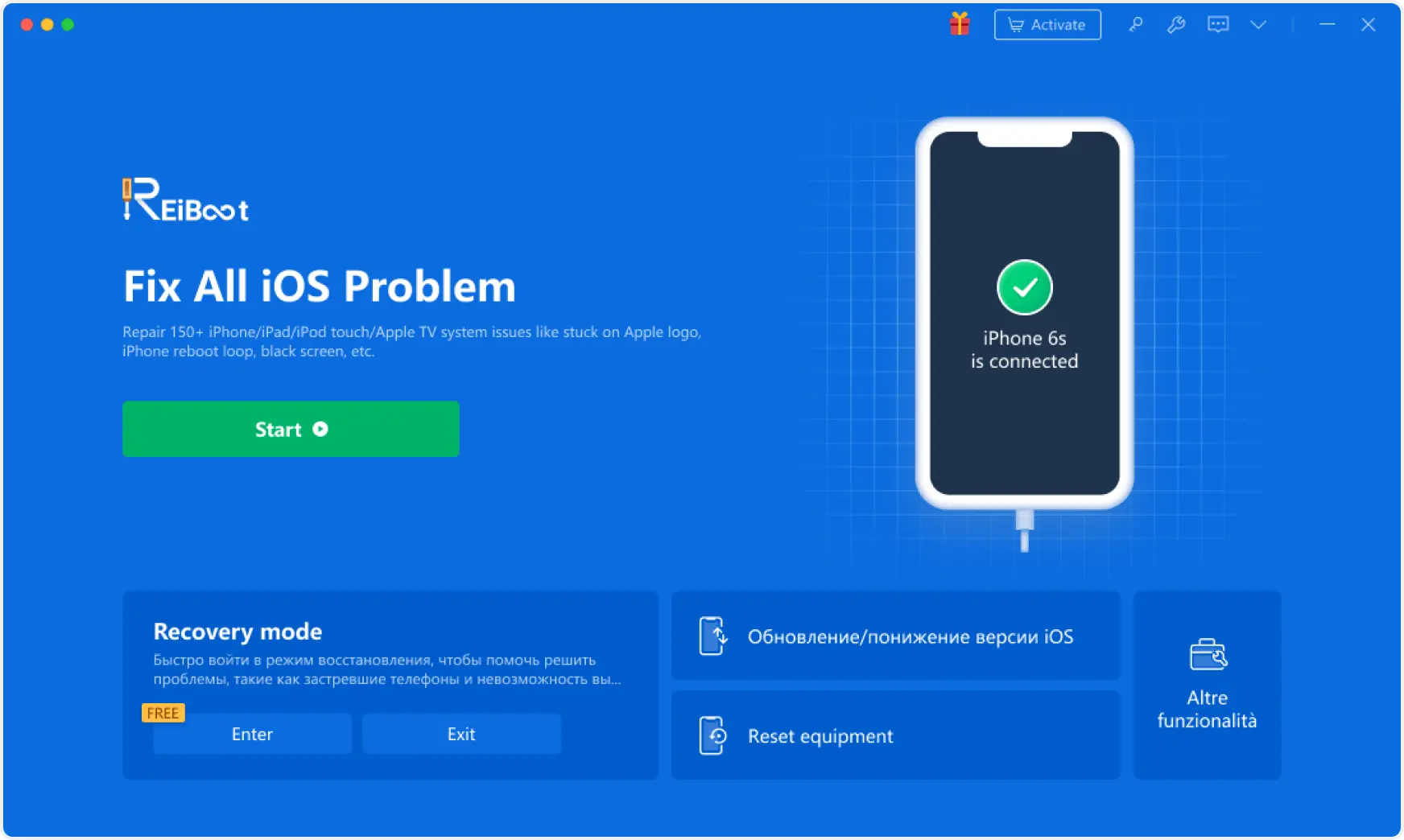
Tenorshare ReiBoot is a powerful iOS system repair and recovery tool. It is designed to fix common and complex iPhone, iPad, and Mac issues without requiring any technical expertise from the user.
Features of Tenorshare ReiBoot




How to use ReiBoot if you click on a Fake Security Warning Message?


Close the browser tab immediately or quit the browser. Avoid clicking any links or calling numbers shown in the alert.
Hang up right away, change your Apple ID password from the official site, and contact your bank if you shared sensitive information. Besides, you should use tools like Tenorshare ReiBoot to reset your device.
Usually not---the pop-up is often a scam script. However, repeated alerts may indicate adware or unwanted apps on your device.
No, Apple does not send security alerts through random browser pop-ups. Real warnings come through official system notifications or trusted Apple services.
Is the Apple security warning real? Apple Security Warnings are almost always scams. Scammers use fear, urgency, and Apple's trusted brand to trick users into handing over their personal information or money. Understanding how these scams work is the most effective defense against them.
Real Apple notifications are calm, official, and delivered only through verified channels: your Apple account page, the Settings app, or specific Apple email addresses. They never appear as browser pop-ups. If you accidentally clicked on such a warning, use Tenorshare ReiBoot before it's too late.


then write your review
Leave a Comment
Create your review for Tenorshare articles

Share this post


ReiBoot - No.1 Free iOS System Repair Software
Fix 150+ iOS Issues without Data Loss & Safely iOS 27 Upgrade/Downgrade
ReiBoot: No.1 iOS Repair Tool
Fix 150+ iOS Issues, No Data Loss
By Jenefey Aaron
2026-10-20 / iPhone Tips