


ReiBoot - No.1 Free iOS System Repair Software
Fix 150+ iOS Issues without Data Loss & Safely iOS 27 Upgrade/Downgrade
ReiBoot: No.1 iOS Repair Tool
Fix 150+ iOS Issues, No Data Loss

Many users are experiencing severe iPadOS 26.5 battery drain and system lag, particularly on devices equipped with the A16 chip. If you are dealing with massive battery drain on iPad after update, this comprehensive iPadOS 26.5 battery life review will uncover the root causes and provide proven solutions to restore your device's performance.
As shown in the Reddit discussions above, users are reporting that the iPadOS 26.5 update causes abnormal overheating during low-demand tasks and significant frame drops in games.

Others specifically highlight that devices with the A16 chip, which ran perfectly on version 26.3, have become noticeably slow and buggy after the recent upgrade.

However, before assuming your hardware is permanently damaged, it is crucial to understand how system updates operate under the hood.
When users ask, "does the ipados 26.5 drain the battery?" the answer is yes---but often only temporarily. A severe drop in battery life immediately following a major firmware update is a standard, expected behavior.

Here is the technical explanation for this initial drain:
The Solution: The 48-Hour Rule
If you are wondering how long does background indexing take iPadOS 26.5, the standard timeframe is 48 to 72 hours (roughly 2 to 3 full charge cycles).
The most effective immediate action is simply to wait. It is highly recommended to keep your iPad connected to Wi-Fi and plugged into power overnight. This allows the system to finish its indexing and optimization tasks without draining your daily battery allowance.
If the 72-hour indexing period has passed and you are still asking, "why is my ipad battery draining on iPadOS 26?", the root cause is likely an active system bug. To resolve persistent ipados 26 battery drain, we need to identify the specific features putting unnecessary stress on your hardware. Here are the most prominent community-verified bugs and their immediate fixes.
One of the most significant culprits for overheating and rapid power loss is Stage Manager. While legacy multitasking features like Split View ran efficiently on previous versions, using windowed apps in iPadOS 26 can cause severe CPU/GPU pinning, especially when streaming video.

Community-Tested Scenario:
Based on repeated tests from the tech community, the power consumption varies drastically depending on your viewing mode. For example, when running a video app like YouTube:
The Solution:
Until Apple releases a patch for this specific power draw issue, the only reliable fix is to completely disable Stage Manager.

You can also turn Stage Manager off from the Settings app:

This extreme power consumption is heavily compounded by Apple Intelligence. When multitasking, Apple Intelligence constantly runs background tasks (such as on-device context analysis and indexing), which places a continuous, heavy double-load on your iPad's battery.
If you do not actively need the AI tools, go to Settings > Apple Intelligence & Siri and temporarily toggle it off. This directly cuts off the background resource consumption.

Recent Reddit feedback highlights a severe background process bug in the new update. Even after disabling demanding features like Apple Intelligence and Background App Refresh, users report that running basic apps (like YouTube at just 33% brightness) causes the iPad to overheat rapidly. In these scenarios, the battery is completely drained within 2 to 3 hours. This indicates that the operating system is pinning the CPU or GPU at maximum capacity for no logical reason.

The Solution:
Until a system patch is released, the most effective community-verified workaround is to keep Low Power Mode turned on at all times.
Go to Settings > Battery and toggle on Low Power Mode, or activate it directly from the Control Center.
Low Power Mode forces strict limits on background hardware scheduling. Users confirm that once this mode is active, the rogue CPU/GPU pinning stops. Battery consumption returns to normal, and the device remains cool, even if you increase the screen to maximum brightness.
Before diving into the advanced, deep-level repair methods to resolve persistent battery drain (Part 4), it is essential to clarify how iPadOS manages your battery. Often, what appears to be a system failure is simply a built-in protection mechanism. Once you understand these normal behaviors and eliminate unnecessary battery anxiety, you can confidently determine if you actually need the ultimate system restore.
Many users report that their iPad strictly stops charging at 80%, even when the manual "80% Limit" is turned off in the settings. Additionally, users notice that charging from 80% to 100% takes significantly longer than the rapid charge from 20% to 80%.

The "Trickle Charge" Phase: The drastically slower charging speed from 80% to 100% is entirely normal. This is a standard lithium-ion battery mechanism called trickle charging, which actively lowers the electrical current to prevent heat damage and prolong battery lifespan.
Aggressive Optimized Charging in iPadOS 26.5: If your device completely ignores your manual settings and halts at 80%, it is due to an overly aggressive Optimized Battery Charging algorithm in the new update.
How to Fix It:

Following a major system update, many users express severe anxiety over a sudden drop in their iPad's battery health percentage (Maximum Capacity).

It is crucial to remember a fundamental hardware fact: batteries are consumable parts that will inevitably degrade over time. Based on technical realities and veteran community advice, here is how you should handle battery health anxiety and maintain your device correctly:

If standard tweaks fail to resolve the issue, the most effective solution is a complete system wipe and restore via a computer---a method highly verified by the Reddit community.
According to user data, performing this deep system reset restored battery performance to better-than-new conditions. For instance, users reported losing only 28% battery after nearly 4 hours (3 hours and 52 minutes) of heavy video editing.

And the user also experiences just a 1% standby drain after leaving the device idle for a full night and day.

We have extracted and streamlined the exact steps you need to achieve these results below.In this scenario, a full system wipe via a computer is required. However, be prepared: this method is highly tedious and carries a significant risk of data loss if you are not careful.
Step-by-Step Instructions:
On a Mac: Open Finder. You should see your connected iPad in the left sidebar. Click on it.
On a Windows PC: Open iTunes and click on the device icon.

You might need to tap "Trust This Computer" and enter your passcode on your iPad to establish the connection.


Absolutely DO NOT restore an iCloud or local computer backup. If you re-download your old backup to the device, you will simultaneously reinstall the corrupted system settings or background processes that were sucking the battery in the first place, causing the drain bug to return instantly.
The Catch: Because you cannot use a backup, you must manually re-download every single App from the App Store, sign back into all your accounts, and reconfigure all your settings from scratch.

As you can see, while this manual method is effective, it requires you to sacrifice all your local app data, game saves, and customized settings, demanding hours of tedious re-downloading. If you want to fix the deep system corruption without losing your data, there is a much safer alternative.
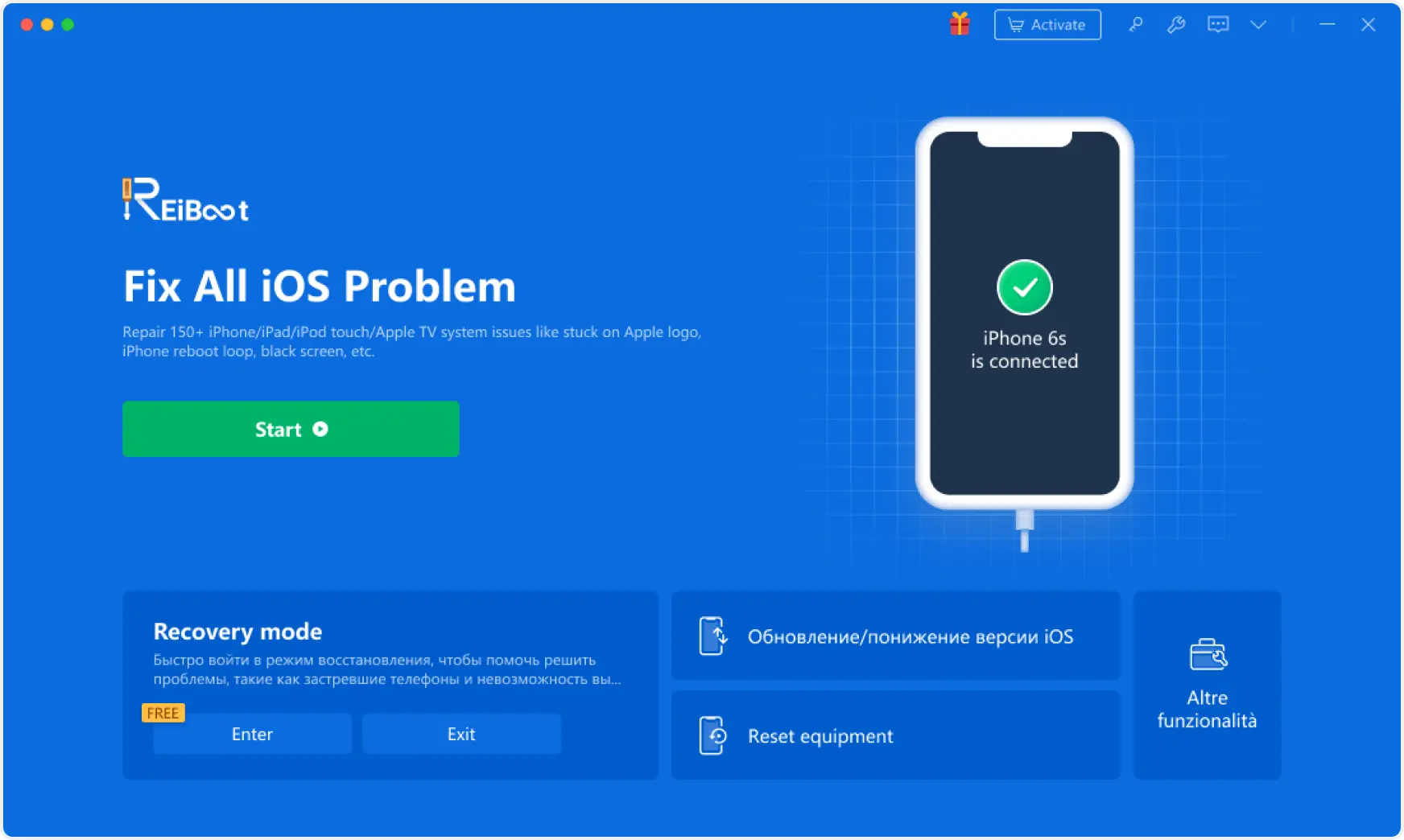
If you want to completely rewrite the corrupted iPadOS 26.5 firmware but do not want to spend hours reconfiguring your entire iPad, Tenorshare ReiBoot is the optimal solution. Its "Standard Repair" mode independently reinstalls the underlying system while perfectly preserving all data in your user partition.




Step-by-Step Guide:


If you have ever wondered why a standard "Factory Reset" directly from your iPad settings fails to fix severe battery drain, the answer lies in how iPadOS handles system partitions and data backups.
A: It typically takes 48 to 72 hours (roughly 2 to 3 complete charge cycles) for the system to rebuild caches and re-index files. Leave your iPad plugged in and connected to Wi-Fi overnight to speed up this process.
A: Yes. Apple Intelligence runs demanding background tasks like on-device context analysis. Temporarily disabling it in Settings > Apple Intelligence & Siri will instantly reduce background power consumption.
A: Yes, significantly. Community tests show that using windowed apps in Stage Manager can draw 10+W of power and cause overheating. Disabling it and running apps in full screen drops the power usage back to a normal 2-3W.
A: Yes. While A16 chip users mainly report severe system lag and rapid passive drain, iPad Pro M2 and M4 users experience extreme battery drain and overheating primarily when multitasking with Stage Manager or heavy video editing.
A: The update introduced a highly aggressive "Optimized Battery Charging" algorithm. Toggle this feature off and on in Battery settings, restart the device, and wait a few days for the system to learn your daily charging routine.
A: A manual restore via iTunes or Finder requires you to "Set up as new," meaning you will lose local app data and settings. To fix the system corruption without data loss, you must use a dedicated repair tool like Tenorshare ReiBoot (Standard Repair mode).
then write your review
Leave a Comment
Create your review for Tenorshare articles
Share this post


ReiBoot - No.1 Free iOS System Repair Software
Fix 150+ iOS Issues without Data Loss & Safely iOS 27 Upgrade/Downgrade
ReiBoot: No.1 iOS Repair Tool
Fix 150+ iOS Issues, No Data Loss
By Jenefey Aaron
2026-09-10 / iPadOS